

By midsummer in North Georgia, the pattern is familiar. April growth looks full and healthy, then July heat tightens the red clay, a hard storm sends water across the yard instead of into it, and the turf along the dog run or play area starts wearing thin. In Cumming, Alpharetta, Johns Creek, and nearby communities, the underlying problem is often below grade. The yard is reacting to compacted soil, poor drainage, and plant choices that do not match the site.
Strong yard landscaping ideas for this region start with function. Beds look better, lawns recover faster, and outdoor spaces stay cleaner when soil can absorb water, roots have oxygen, and each area is built for its actual sun, slope, and moisture conditions. In North Georgia, that usually means improving clay soil with aeration and top dressing, directing runoff before it cuts through the yard, and choosing plants and materials that can handle heat, humidity, and sudden downpours.
Homeowners are also looking for lower-maintenance yards that still feel finished and family-safe. The American Time Use Survey from the U.S. Bureau of Labor Statistics tracks how people spend time on household activities, including lawn and garden care, and it reflects something I see every season: people want a yard that works without demanding every weekend. A better plan reduces inputs, cuts waste, and supports healthier growth instead of chasing constant cosmetic fixes.
That is why this guide takes an ecosystem approach. It combines planting, drainage, permeable surfaces, and organic lawn care services such as aeration, compost-based top dressing, overseeding, and natural soil improvement. For homeowners who want to start with plant choices that fit local conditions, the benefits of native plants in landscaping are part of that foundation.
1. Native Plant Landscaping
A North Georgia yard can change by the hour. Morning shade along the foundation, hard afternoon sun by the driveway, and a soggy low spot after a summer storm all show up on the same property. Planting that works here starts by reading those conditions correctly and choosing species that already know how to handle them.
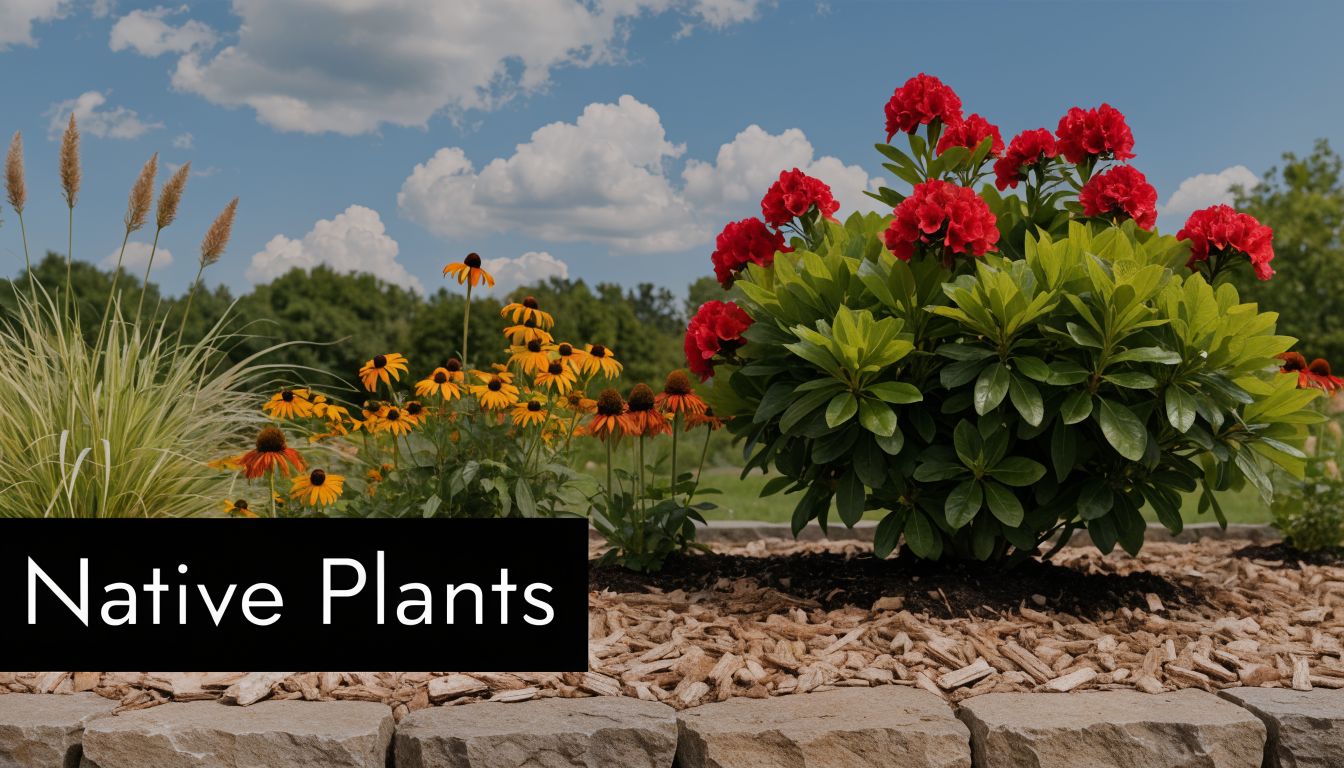
Native plants earn their place because they fit our climate, our rainfall swings, and our heavy clay better than many imported ornamentals. On properties in Suwanee, Johns Creek, and Milton, that often means using distinct planting zones instead of repeating the same mix across the whole yard. I’ll use native azaleas and rhododendrons where trees filter the sun, coneflower and black-eyed Susan where heat reflects off open areas, and Joe-Pye weed or other moisture-tolerant choices where runoff tends to collect.
That approach also supports the rest of an organic yard care plan. Healthy planting beds reduce erosion, slow splash from heavy rain, and give you better results when lawn areas nearby are being improved with aeration, compost topdressing, and seasonal overseeding. Good plant selection is not separate from soil care here. It is part of the same system.
What works best in real yards
The biggest mistakes are usually simple. Woodland plants get set in exposed sun, or homeowners expect a full, mature bed by the end of the first season. In North Georgia, native plantings settle in more reliably when roots get time to push through clay and when spacing reflects mature size instead of the nursery pot.
A few practices consistently improve the outcome:
- Plant in groups: Repeating the same species in drifts of three to five gives the bed a cleaner, more intentional look.
- Match plants to moisture: Dry-sun plants belong on slopes and hotter edges. Moisture-loving plants belong in low areas and near drainage paths.
- Prepare the root zone: If the soil is tight, loosen it with air and organic matter first so roots can move down instead of circling near the surface.
- Define the bed edge: Native planting reads better when the lines are clear, even if the planting style is loose.
Patience matters. A native bed often looks modest in month three and far better in year three.
Homeowners are also asking for planting styles that feel softer and less formal. Yardzen noted increased interest in cottage garden design trends in its 2025 outdoor living report, which tracks what clients are requesting. That lines up with what I see across North Georgia. People want color, movement, and pollinator value without signing up for a yard that needs constant replacement and chemical input. If you want a deeper read on why this planting style holds up, see these benefits of native plants in landscaping.
One practical tip before planting. Save your fall leaves. Shredded leaves make useful organic mulch around new native beds, and they tie directly into the soil-building side of this process. This guide to mulching leaves into grass is a good starting point if you want to reuse what your yard already gives you.
2. Organic Mulching and Soil Amendment
A bed that looks dry and tired by July usually has a soil problem under it, not a color problem on top. In North Georgia, red clay sheds water when it gets hard, then turns sticky and airless after a heavy rain. Mulch and soil amendment help regulate both extremes if they are applied with some discipline.
Mulch does four jobs at once in this climate. It buffers soil temperature, slows evaporation, reduces weed pressure, and feeds soil life as it breaks down. On exposed sites in Alpharetta, Roswell, and the western edge of Forsyth County, that matters more than homeowners expect. Beds with bare soil heat up fast, dry unevenly, and need more irrigation to hold new plantings through summer.
Material choice affects the result. Untreated shredded hardwood and composted bark give a tidy finish and break down at a reasonable pace. Leaf compost improves the soil faster, though it looks softer and less formal. Arborist wood chips work well around trees, screening edges, and larger naturalized areas where you want moisture retention more than a polished appearance.
Application matters just as much as the product:
- Keep mulch off trunks and crowns: Leave space around tree trunks and the base of shrubs and perennials so bark and stems stay dry.
- Aim for a moderate layer: About 2 to 3 inches works in most beds. More is not better, especially over heavy clay.
- Use compost under mulch where soil is tight: A light layer of compost under the mulch adds organic matter where roots need it.
- Expand the ring around trees: A broad mulch zone protects roots better than a narrow strip against the trunk.
Fall leaves belong in this system too. Shredded leaves can be reused as mulch in planting beds or chopped into turf to feed the soil naturally. If you want a practical method, this guide on mulching leaves into grass for soil health lays out the process clearly.
Mulch alone will not correct compacted clay. It works best as the protective top layer after the soil has been opened up and fed. In North Georgia lawns and planting areas, I get the best long-term response from combining organic mulch with compost topdressing and, where the ground is sealed up, core aeration. That is the ecosystem approach homeowners miss when they treat mulch as a cosmetic finish. The goal is not just a cleaner bed. The goal is soil that holds moisture better, drains more evenly, and supports healthier roots with fewer synthetic inputs.
3. Rain Gardens and Water Management
A North Georgia yard can look fine on a sunny Tuesday and turn into a runoff problem after one hard storm. Water sheets off compacted turf, gathers near downspouts, and settles into the same low spots every time. A rain garden gives that water a controlled place to slow down, soak in, and support plant life instead of washing mulch, seed, and topsoil downhill.
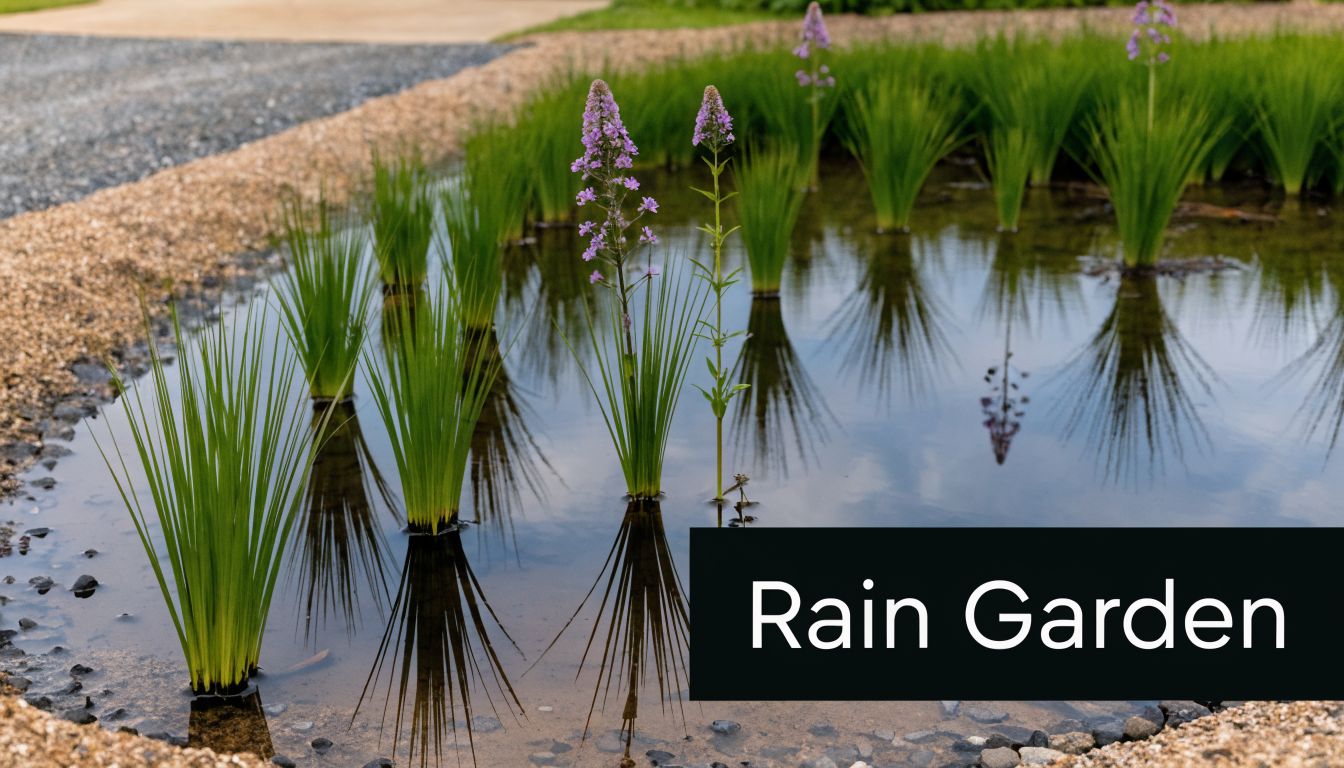
In Cumming, Milton, and other North Georgia neighborhoods built over red clay, placement matters more than shape. The best location is usually where runoff already concentrates, such as below a downspout outlet, along a driveway edge, or in a low side yard, but still far enough from the house to avoid foundation trouble. University of Georgia Extension recommends locating rain gardens at least 10 feet from building foundations and sizing them to fit the drainage area they receive, not just the space that looks convenient.
Placement and plant choices
A rain garden works best when the basin drains within a day or two after a storm. If water lingers longer, the usual cause is tight soil under the basin or an overflow route that was never planned. In this region, I often see homeowners install the planting bed first and deal with infiltration later. That order creates a pretty wet spot, not a working water-management system.
Use plants that handle short wet periods and normal dry stretches between rains. That is a better fit for North Georgia weather than choosing by bloom color alone. Soft rush, blue flag iris, swamp milkweed, river oats, and other native or well-adapted plants usually perform better in these conditions than thirsty ornamentals that need constant correction.
A few field-tested guidelines help:
- Keep the basin away from foundations: A minimum of 10 feet is a good starting point.
- Follow natural drainage patterns: Let water enter where it already wants to move, with a defined overflow path for big storms.
- Use lighter mulch in the basin: Fine hardwood mulch or shredded leaf mulch works better than a thick, floating layer.
- Watch the first heavy rain: You will see quickly whether the inlet is eroding, the basin is too shallow, or the overflow needs adjustment.
Practical rule: If a rain garden stays full for days, fix the soil and drainage path before adding more plants.
This is also where organic lawn care ties into drainage in a practical way. Rain gardens handle collection points, but the rest of the yard still has to absorb water. Core aeration and compost topdressing in surrounding lawn areas help open compacted clay, improve infiltration, and reduce how much runoff reaches the basin in the first place. That full-system approach matters in North Georgia. A rain garden by itself can manage a problem spot. A rain garden supported by healthier soil across the yard manages water more evenly, with less erosion, less standing water, and fewer inputs over time.
4. Hardscape Features with Permeable Materials
A patio that stays usable after a summer thunderstorm is doing more than looking good. In North Georgia, hard surfaces have to work with red clay, slope, and fast runoff. If they do not, water shoots across the yard, beds wash out, and the area near the house stays wet longer than it should.
Permeable pavers, open-joint flagstone, decomposed granite, and well-built gravel paths let water move down into the base instead of racing across the surface. That matters in places like Johns Creek and East Cobb, where many lots have compacted subsoil and short, intense rain events. A side-yard path built with permeable materials can fix a muddy route to the gate while reducing erosion at the same time.
The base layer decides whether the project lasts.
Permeable surfaces need excavation, angular stone, and a base depth that matches the traffic load. A casual garden walk can use a lighter build than a parking pad or entertaining space. In clay-heavy yards, I also like to look at where the overflow goes during a hard rain, because even a porous surface needs a place for excess water to move safely.
Good places to use them include:
- Patio borders and step-out zones: These areas often collect splash, foot traffic, and mower turns.
- Garden and side-yard paths: They fit informal planting areas better than a full concrete run.
- Overflow parking or driveway edges: Useful where you need strength without adding another broad sheet of runoff.
Analysts at Mordor Intelligence report that North America accounted for a 39.42% share of the global landscaping and gardening services market in 2025, based on their landscaping and gardening service market report. On the ground in North Georgia, that lines up with what homeowners ask for. They want outdoor spaces that drain well, stay cleaner, and need fewer repairs after storms.
There is a trade-off. Permeable joints can clog with silt, gravel shifts over time, and weed pressure is higher if the base and edging are weak. That is why these features work best as part of a whole-yard plan. If runoff is being driven by packed soil uphill, fixing compacted soil in the surrounding yard often matters just as much as the material you choose for the path or patio.
For family yards, this approach also supports safer footing and fewer slick puddles without relying on more chemicals or more concrete. That is usually the better long-term choice in this region.
5. Aeration and Soil Compaction Solutions
By late summer in North Georgia, the pattern is easy to spot. The lawn looks stressed even after rain, water sits in low spots, and the ground feels hard enough that a screwdriver barely goes in. In our red clay soils, that usually points to compaction more than a fertilizer problem.
Core aeration is one of the first services I recommend before renovating a lawn or trying to thicken thin turf. It relieves pressure in the root zone, helps oxygen and water move deeper, and creates space for organic material to work into the soil instead of crusting on top. That matters in family yards where play traffic, pet runs, and repeated mowing passes keep pressing the same areas tight.
Timing makes a real difference.
For many fescue and cool-season transition lawns in North Georgia, early fall is the best window because soil warmth still supports recovery and seed establishment. For warm-season lawns such as bermuda or zoysia, aeration usually fits better during active growth in late spring through summer. The wrong timing will not ruin a yard, but it can slow recovery and waste the benefit of the service.
A practical soil-first sequence looks like this:
- Water the day before if the ground is baked hard: Slightly moist clay gives cleaner core pulls than dry, brick-like soil.
- Aerate sufficiently to remove real plugs: Shallow passes do not do much in compacted Georgia clay.
- Topdress right after aeration: Compost or a compost-based blend can fall into the holes and start improving structure.
- Overseed only when the grass type and season line up: Fescue responds well in fall. Bermuda and zoysia need a different schedule.
Leave the plugs on the lawn. They break down fast and return soil microbes and organic matter to the surface.
If rain runs off before it soaks in, or the yard stays puddled and then turns hard a day later, compaction is likely part of the problem. Homeowners who want a clearer soil-level explanation can review this guide on fixing compacted soil in North Georgia lawns.
The trade-off is straightforward. Aeration is not a one-time cure if the yard still gets heavy traffic, poor drainage, or repeated mowing on wet soil. In those cases, I usually pair it with topdressing, traffic management, and better watering habits. That approach improves root depth, reduces runoff, and supports a healthier lawn with fewer chemical inputs. It also helps the whole yard look better from the street, which matters when patchy turf and standing water are making the property feel neglected.
6. Pollinator Gardens and Beneficial Insect Habitats
Step onto a North Georgia patio on a warm May morning and the difference is obvious. One yard is quiet except for mowing noise. The other has bees working coneflowers, hoverflies moving through dill, and birds picking through seedheads. That second yard usually has fewer pest flare-ups and better flower production because the planting supports the whole food web, not just the showy blooms.
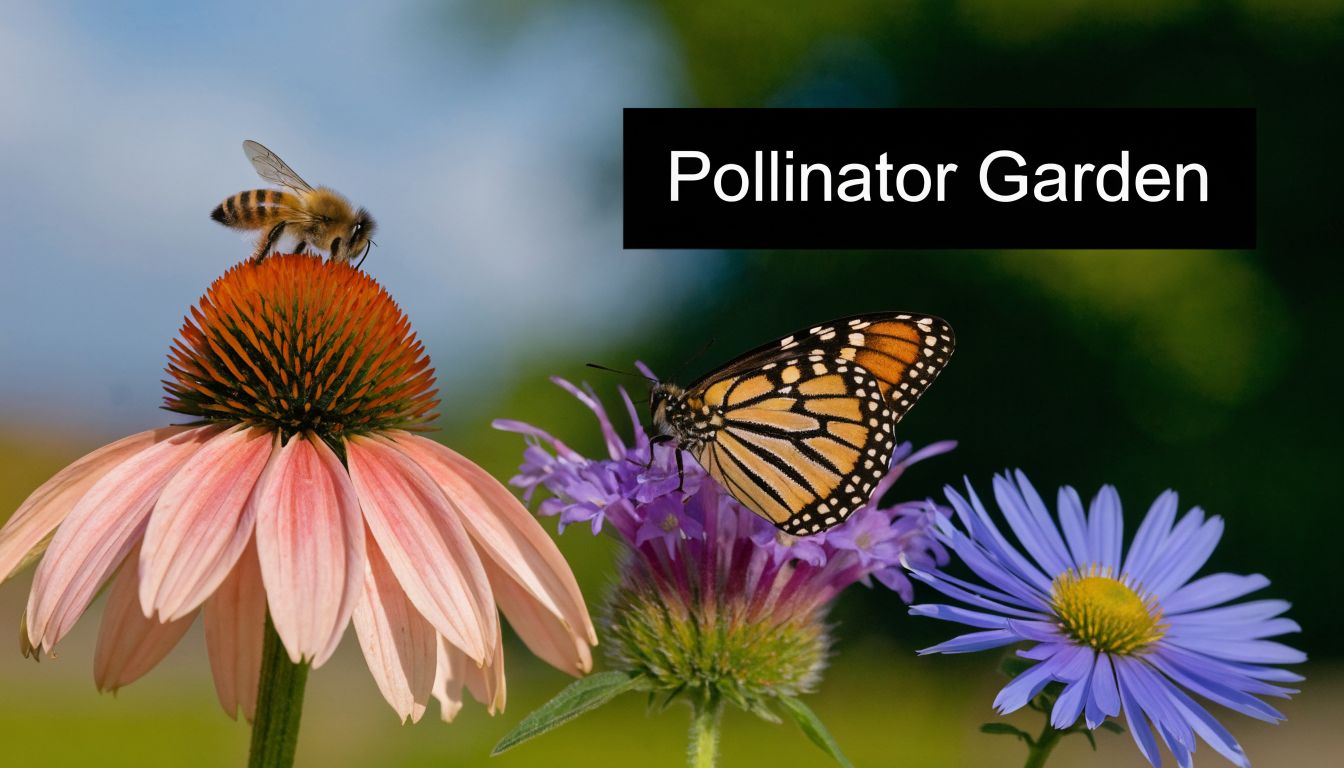
In Johns Creek and Alpharetta, I like to place pollinator beds where people spend time, near patios, along a back fence, beside a mailbox planting, or close to a vegetable garden. Kids notice more when the habitat is part of daily life. So do homeowners who want the yard to feel active without adding another high-maintenance feature.
A good pollinator bed in North Georgia needs more than flowers. Our long summers, clay-heavy soils, and swings between wet weeks and dry stretches reward plantings that are adapted, layered, and mulched correctly. If the bed stays soggy, roots struggle. If it dries out fast and the soil crusts over, young plants stall. I usually treat these areas like small ecosystems, with compost-amended planting pockets, natural mulch, and enough plant density to shade the soil.
Build the bed for the whole season
Use bloom succession and habitat value as the framework. Native columbine and coreopsis can start spring. Coneflower, mountain mint, bee balm, and black-eyed Susan carry the heat of summer. Asters and goldenrod finish strong in fall, when many pollinators still need nectar. Fennel, dill, and parsley also earn space if you want swallowtail caterpillars, but they will look chewed. That is part of the point.
A solid layout usually includes:
- Clusters of the same plant: Drifts are easier for pollinators to find than scattered singles.
- A range of flower shapes: Daisy-type blooms, spires, and umbels attract different beneficial insects.
- A shallow water source: A small basin with stones gives insects a safe landing spot.
- Shelter left in place: Hollow stems, leaf litter, and seedheads help native bees and predatory insects overwinter.
- Targeted pest control only: Broad insecticide sprays can knock out the beneficial insects you are trying to keep.
Leave some stems standing through winter.
That choice is a trade-off. The bed will look less trimmed in January, but it provides real shelter for native bees, lacewings, and other beneficial insects. In family yards, I often solve the appearance issue by keeping a clean edge, repeating plant groups, and limiting the wilder look to one defined zone instead of letting it sprawl across the whole foundation.
As noted earlier, many households already garden in some form. In North Georgia, a pollinator bed is one of the easiest ways to make that effort more ecological. It also works better when it connects to the rest of the yard plan. Healthy soil, organic mulch, reduced pesticide use, and lawn practices like aeration and top dressing all support stronger root systems and steadier bloom cycles nearby. The result is a yard that looks better, handles our climate with less input, and supports more life in the process.
7. Ornamental Grasses and Texture Planting
Late August is when this planting choice proves itself in North Georgia. The lawn is tired, many perennials are past their peak, and a bed with no strong form starts to look flat. Well-placed ornamental grasses keep the yard looking finished through heat, fall, and even into winter.
I use grasses to add movement, screening, and contrast without loading a bed with more shrubs. In Forsyth County and Milton, little bluestem, switchgrass, and other upright selections do well in full sun with decent drainage. They also fit the broader goal of a lower-input yard. Once established, many need less irrigation and less routine fuss than thirsty annual color.
Best uses for texture in Georgia yards
Texture works best when it is repeated with intent. One stray clump can look random. Three to seven plants, spaced for mature width, usually read as deliberate and settle the whole bed.
Use grasses in a few specific ways:
- Anchor bed corners: Taller forms help connect turf areas to planting beds without a hard visual stop.
- Break up dense shrub groupings: Fine blades and upright habits keep broadleaf evergreens from looking heavy.
- Add winter structure: Leave seedheads and foliage standing until late February or early March, then cut back before fresh growth starts.
Placement matters more than homeowners expect. A grass that looks tidy in a nursery pot can swallow a front walk by September. On smaller lots, I stick with compact varieties near entries and save larger switchgrass cultivars for side yards, back borders, or spots where a soft screen is useful.
Soil condition affects performance too. In our clay, grasses often establish faster after core aeration nearby and a light compost top dressing in surrounding turf areas, especially where beds meet compacted lawn edges. That matters in family yards, because the goal is not just a pretty planting bed. The goal is a yard system that sheds water better, supports root growth, and stays easier to maintain with organic practices.
Arizton notes in its U.S. landscaping services market report that demand is rising for sustainable and technology-driven yard upgrades. I see the practical version of that trend every season. Homeowners are asking for plantings that hold up in North Georgia weather, look good past spring, and do not create more work than the family can keep up with.
The trade-off is simple. Grasses give softness and motion, but some varieties flop in rich soil or too much shade, and many need room at full size. Choose them for the mature footprint, not the pot size, and they will do their job well.
8. Tree and Shrub Care with Organic Practices
By August, I can usually spot the yards where trees and shrubs have been fighting the soil all year. Leaves look smaller than they should. Evergreens show thinning from the inside out. A shrub by the foundation stays wet too long after rain, then struggles again in a dry spell. In North Georgia, that pattern usually starts below ground.
Our red clay holds water, then bakes hard. That creates a real trade-off for homeowners. Plant too deep, mulch too heavily, or keep shrubs packed tight against the house, and roots lose oxygen and airflow drops. Feed too aggressively to force fast growth, and you often get tender shoots that attract pests and need more pruning.
The better organic approach starts with root health and plant spacing, not quick green-up. Keep mulch two to three inches deep and pull it back from trunks and main stems so the root flare stays exposed. Prune for shape and branch structure, but do it with the plant’s mature size in mind. A boxwood that needs constant shearing to stay off a walkway was probably the wrong plant for that spot.
I see the same preventable problems in Marietta, East Cobb, and Roswell year after year:
- Mulch piled against trunks: This traps moisture at the bark and encourages decay.
- Repeated shearing: Dense outer growth blocks light and airflow into the plant.
- Topping crape myrtles and other small trees: Weak regrowth follows, and the plant loses its natural form.
- Crowded foundation shrubs: Heat from walls, poor air movement, and splash-back from roofs raise stress and disease pressure.
Organic care also ties back to the rest of the yard system. Where trees sit in compacted lawn, I often recommend aeration in the surrounding turf zone and light compost top dressing nearby so rainfall moves into the soil instead of running off. That does not replace proper tree work, but it supports the broader soil biology around the root area and helps woody plants handle summer stress with fewer inputs.
A sound routine looks like this:
- Water thoroughly, not constantly: Deep soaking helps roots grow down instead of staying near the surface.
- Use compost selectively: Improve soil where needed instead of applying fertilizer across the whole bed.
- Prune dead, diseased, and crossing limbs first: Structure and plant health come before cosmetic shaping.
- Watch for site mismatch: Sun plants in shade and moisture-loving shrubs in dry berms rarely improve with extra feeding.
Healthy trees and shrubs do a lot of the visual heavy lifting in a yard. They frame entries, cool outdoor spaces, buffer noise, and give the property a settled look that annual color alone cannot provide. In North Georgia, the best results come from matching the plant to the site, protecting the root zone, and using organic practices that build soil year after year.
9. Lawn Overseeding and Natural Grass Health
By late September in North Georgia, a lot of lawns show the same pattern. The sunny spots are thin from heat stress, the shady edges are sparse, and the paths kids and dogs use every day are worn to hard ground. In many yards, the answer is not replacement. It is better timing, the right grass for the site, and soil work that supports new growth instead of forcing it.
Overseeding works best as part of a larger lawn health plan. In our clay-heavy soils, seed fails less from bad intentions than from poor contact, weak airflow at the soil surface, and compaction that keeps roots shallow. That is why I usually pair overseeding with aeration and a light compost topdressing. Those organic lawn care steps improve moisture retention, feed soil biology, and give seed a better place to establish.
Site matching matters more than the seed bag photo. A fescue mix can do well in part shade across Roswell, Alpharetta, and older Gwinnett neighborhoods with mature tree cover, but the same mix will struggle in reflective full-sun areas beside driveways. Bermuda fills traffic better in hot sun, yet it will thin fast under canopy shade. If a lawn has both conditions, split the treatment plan. Homeowners waste money every year trying to make one grass handle every exposure.
A good overseeding setup usually includes:
- Mowing low enough for contact: Cut the existing turf back so seed can reach soil and light.
- Core aeration before seeding: Pull plugs where clay is tight or traffic has sealed the surface.
- Light compost topdressing: A thin layer helps hold moisture and supports germination without burying seed.
- Steady, shallow watering at establishment: Keep the top layer damp until germination, then shift toward deeper, less frequent watering.
- Traffic control for two to three weeks: Rope off play lanes, delivery shortcuts, and dog runs until roots knit in.
Overseeding also has limits. It will not fix deep shade under dense trees, standing water after storms, or chronically low pH by itself. In those cases, correcting the site issue comes first, or the lawn slides back to thin cover and weeds.
That is also where lawn health ties into pest pressure. Thin, stressed turf gives weeds and surface-feeding insects room to move in. A stronger stand of grass reduces those openings, and a targeted natural pest control plan for lawns fits better once the turf is dense enough to compete on its own.
Done at the right time, overseeding is one of the cleanest ways to rebuild a family-safe lawn in North Georgia. The best results come from treating the yard as an ecosystem. Improve the soil first, match grass to the light, and use organic support practices that help the lawn hold up through summer heat and foot traffic.
10. Integrated Pest Management and Natural Solutions
A North Georgia yard can look fine in April and start showing chew marks, fungal spotting, or ant mounds by June. The right response is not broad spraying. It is finding the cause, confirming the pest, and choosing the lightest treatment that will solve the problem.
Integrated pest management, or IPM, works best when the yard is treated as a living system. In our red clay soils, water stress, compaction, excess shade, and weak airflow often create the opening that insects and disease exploit. If those site problems stay in place, chemical control becomes a repeating expense instead of a fix.
On a real property in Cumming or Johns Creek, that often means checking camellias for tea scale before treating, hosing aphids off new growth before they build up, or removing bagworms by hand before they spread. In turf areas, it means looking at mowing height, drainage, and root health before blaming every thinning patch on insects.
A practical IPM routine looks like this:
- Inspect weekly during warm-season pest cycles: Check leaf undersides, tender new growth, and problem spots near foundations, fences, and dense shrubs.
- Identify before you treat: Lacewings, lady beetles, parasitic wasps, and ground beetles are working for you. Killing them sets the yard back.
- Start with cultural fixes: Adjust irrigation timing, prune for airflow, reduce excess nitrogen, and remove heavily infested plant material.
- Use targeted products only where needed: Insecticidal soap, horticultural oil, neem, Bt, or bait products each fit specific pests and life stages.
- Keep treatment areas small: A localized issue rarely needs a full-yard application.
- Track timing from year to year: Japanese beetles, armyworms, and fungal flare-ups tend to return on a seasonal pattern.
The trade-off is time. IPM asks for observation and follow-up, especially from late spring through early fall. But for families with kids, dogs, vegetable beds, or pollinator plantings, that extra attention usually makes more sense than routine blanket treatments. It also protects the beneficial insect activity that keeps many pest populations from getting out of hand.
For turf-specific guidance, a natural pest control plan for lawns fits this approach well. It pairs best with the organic lawn care work covered earlier, especially aeration and topdressing, because healthier soil supports thicker grass and reduces the weak, open areas where weeds and surface-feeding pests get started.
Family safety matters here too. The U.S. Environmental Protection Agency advises pet owners to keep animals away from treated areas until pesticide products have dried or as the label directs, which is one reason many North Georgia homeowners ask for lower-chemical options and tighter spot treatment protocols instead of routine broadcast applications.
10-Point Yard Landscaping Comparison
North Georgia yards rarely fail for just one reason. Red clay, slope, runoff, summer heat, and foot traffic usually stack problems on top of each other. A side-by-side comparison helps you choose upgrades that work together, especially if you want lower chemical input and better soil performance over time.
| Practice | Complexity | Resources | Expected outcomes | Ideal use cases | Key advantages / Tips |
|---|---|---|---|---|---|
| Native Plant Landscaping | Medium. Needs site assessment and plant knowledge. | Moderate. Native plant stock, first-season watering, time to establish. | Lower irrigation demand, less chemical dependence, better habitat value after establishment. | Wildlife-friendly yards, slope plantings, low-input beds. | Group plants by water and light needs. Buy from local growers familiar with North Georgia conditions. |
| Organic Mulching and Soil Amendment | Low. Straightforward if material choice is right. | Moderate. Compost, pine straw, arbor mulch, periodic replenishment. | Better moisture retention, steadier soil temperature, fewer weed issues, improved soil biology. | Foundation beds, tree rings, vegetable areas, shrub borders. | Keep mulch off trunks and stems. In clay soil, compost works best as a thin top layer, not a heavy buried layer. |
| Rain Gardens and Water Management | High. Requires correct siting, grading, and plant selection. | Moderate to high. Excavation, soil shaping, runoff planning, moisture-tolerant plants. | Better drainage control, less erosion, cleaner runoff movement through the yard. | Downspout discharge zones, low spots, edges of sloped lots. | Place well away from the foundation. Match plant roots to both wet periods and August dry spells. |
| Hardscape Features with Permeable Materials | Medium to high. Base prep matters. | High. Permeable pavers, gravel systems, skilled installation, maintenance. | Better infiltration on patios, walks, and parking areas, with less standing water. | Patios, walkways, sitting areas, overflow parking pads. | A permeable surface fails fast on a bad base. Use it where drainage matters more than lowest upfront cost. |
| Aeration and Soil Compaction Solutions | Low to medium. Timing and equipment matter. | Moderate. Core aeration service or rental, often paired with compost topdressing. | Better root growth, improved water entry, stronger turf recovery. | Compacted lawns, play areas, dog runs, builder-grade clay soils. | In North Georgia, fall is usually the smart window. Aeration works better when followed by topdressing and the right seed plan. |
| Pollinator Gardens and Beneficial Insect Habitats | Medium. Needs bloom timing and plant layering. | Moderate. Flowering perennials, shrubs, small water source, light upkeep. | More bee and butterfly activity, better predator insect presence, stronger seasonal color. | Sunny bed edges, mailbox gardens, school or family learning spaces. | Build bloom succession from spring through fall. Avoid broad treatments that wipe out beneficial insects along with pests. |
| Ornamental Grasses and Texture Planting | Low. Easy to install and maintain. | Low to moderate. Plant material and a yearly cutback. | Strong texture, winter structure, good drought tolerance once rooted. | Screens, property edges, modern plantings, erosion-prone banks. | Use clump-forming varieties where space is tight. Some grasses spread more than homeowners expect. |
| Tree and Shrub Care with Organic Practices | Medium to high. Diagnosis and pruning skill are often needed. | Moderate. Pruning labor, mulch, compost, monitoring, targeted treatments if needed. | Better long-term vigor, fewer stress-related problems, stronger structure. | Mature yards, specimen trees, privacy plantings, mixed foundation beds. | North Georgia clay holds moisture longer than many people think. Overwatering shrubs is a common mistake. |
| Lawn Overseeding and Natural Grass Health | Medium. Timing, seed choice, and watering have to line up. | Moderate. Seed, soil contact prep, moisture during germination. | Thicker turf, fewer thin spots, better seasonal recovery. | Worn lawns, shaded transitions, cool-season turf renovation. | Match seed to sun exposure and existing grass type. Overseeding works best after compaction and drainage issues are addressed. |
| Integrated Pest Management (IPM) and Natural Solutions | Medium to high. Requires scouting and correct ID. | Low to moderate. Monitoring time, beneficial habitat, selective organic products. | Lower pesticide use, fewer unnecessary treatments, better balance in the yard ecosystem. | Family yards, pet areas, edible gardens, pollinator-friendly spaces. | Treat the problem area, not the whole property. Good soil care often cuts pest pressure before sprays are even considered. |
The main trade-off is speed versus durability. Quick cosmetic fixes often look good for a season, but they do not solve compaction, runoff, or weak soil. North Georgia homeowners usually get better long-term value from a yard plan that starts with drainage and soil health, then layers in plants, turf repair, and hard surfaces that fit the site.
Your Healthiest Georgia Landscape Starts Here
A North Georgia yard usually tells you what it needs fast. Water sits by the downspout after a summer storm. Red clay turns hard along the dog run. The sunny patch by the driveway bakes in July while the back corner stays damp and shaded. Those site conditions matter more than any trend, because they determine what will hold up in Cumming, Alpharetta, Johns Creek, Suwanee, Duluth, and the surrounding north metro area.
The strongest yards in this region are built as living systems. Soil health, drainage, plant choice, and lawn care have to work together. Native plants can lower maintenance and support pollinators, but they still need the right light and drainage. Permeable paths and rain gardens can reduce runoff, but they need proper grading to do their job. Organic mulching, compost top dressing, and core aeration help clay soil accept water and air, which supports deeper roots and steadier growth through heat, humidity, and hard rain.
Homeowners here often spend serious money on outdoor improvements, so the key question is where that money solves problems instead of covering them up. A pretty patio that stays wet, a thin lawn over compacted soil, or shrubs jammed into the wrong space will keep demanding fixes. In practice, the better investment is usually the less flashy one first. Correct drainage. Relieve compaction. Improve the soil. Then add the plantings, turf repair, and gathering areas that fit how the yard is used.
That phased approach works well for family properties. It spreads out cost, limits disruption, and gives each improvement a better chance to succeed. A side yard can shift from a soggy pass-through to a mulched planting area. A worn play space can recover with aeration, compost top dressing, and the right overseeding window. A border near the patio can carry color, texture, and pollinator value without creating a high-maintenance bed that needs constant spraying.
In North Georgia, soil-first care is what holds the whole yard together.
Barefoot Organics is one option for homeowners who want that approach. Their services include natural lawn care programs, aeration, top dressing, and tree, shrub, and flower care designed for Georgia conditions. If you are planning improvements in Forsyth, Cobb, Gwinnett, or nearby north metro Atlanta communities, a practical site assessment usually leads to better choices and fewer do-overs.
If you want a yard that is healthier, easier to maintain, and better suited to North Georgia conditions, Barefoot Organics offers natural lawn care, aeration, top dressing, and plant care built around a soil-first approach. Request a free online quote and see which improvements make the most sense for your property.