

If you're staring at a Bermuda lawn in Cumming, Alpharetta, or Johns Creek and wondering whether it’s time to fertilize, you’re asking the right question. Most lawn problems in North Georgia don’t start with a lack of fertilizer. They start with fertilizer applied at the wrong time.
That matters even more if your household already pays attention to inputs. Families who shop for organic produce near me searches, compare grass-fed beef to grain-fed beef, and care about non-GMO foods usually don’t want a lawn program built around guesswork either. They want a yard that looks good, holds up to kids and dogs, and doesn’t rely on dumping unnecessary products into the soil.
When to fertilize Bermuda grass comes down to timing, soil condition, and restraint. Bermuda responds well when you feed it during active growth. It struggles when homeowners push it while it’s dormant, stressed, or heading toward winter. The difference shows up fast in color, density, weed pressure, and how safe and usable the yard feels for everyday family life.
The Foundation of a Healthy Lawn Starts with the Soil
A North Georgia family can do everything right on the surface and still end up with a weak Bermuda lawn. You mow on schedule, water carefully, choose safer products, and the grass still stays pale or thin in spots. In most cases, the problem starts below grade.
Fertilizer only works well when the soil is ready to support growth. That is why I tell homeowners to test first and buy second. If you care about what goes into your garden beds, your food, and the space where your kids and dogs play, the lawn deserves the same standard.

Why soil testing comes first
Bermuda is a strong grass, but it is not forgiving of bad soil chemistry. A lawn can look hungry even after an application if the pH is off or if one nutrient is tying up another. That is how homeowners end up spending more and getting less.
A soil test gives you a starting point you can trust. It helps you answer the questions that matter before fertilizer season begins.
- Is the pH in a range where Bermuda can use nutrients efficiently?
- Is the lawn short on a key nutrient, or is the issue deeper than fertility?
- Are you about to apply something the soil already has enough of?
That last question matters for families trying to keep inputs low. An organic-first lawn plan is not about throwing down natural products on a schedule and hoping for the best. It is about using fewer, smarter inputs so the soil does more of the work.
Practical rule: Do not feed Bermuda until you know what the soil can use.
Why pH changes the outcome
Homeowners often focus on the fertilizer analysis on the bag. pH has just as much influence on the result.
If soil pH is out of line, Bermuda may struggle to access nutrients that are already present. The lawn stays off-color, growth comes in unevenly, and people assume they need another round of fertilizer. Sometimes the better move is a soil correction, not another feeding.
That trade-off matters in North Georgia, where clay-heavy soils can already make root growth and drainage harder than they should be. If the soil is compacted and the pH is off, more fertilizer will not solve the underlying issue. It can push soft top growth while the root system stays shallow.
For a practical walkthrough, Barefoot Organics has a guide on how to test soil pH.
What works better than guessing
You do not need a complicated lab report to make better decisions. You need enough information to avoid common mistakes.
| Soil question | Why it matters for Bermuda | What to do |
|---|---|---|
| Is pH in range? | Nutrient uptake is steadier when the soil chemistry is balanced | Correct pH before chasing darker color |
| Are there clear deficiencies? | Thin, weak turf often traces back to a shortage the grass cannot outgrow | Choose products based on the test, not the label hype |
| Is the soil already adequate in some areas? | Extra product can create imbalance and unnecessary exposure | Skip applications the lawn does not need |
That approach fits the way many North Georgia families already think about food and home care. Start with the source. Use what is needed. Leave out what is not. A safer, thicker Bermuda lawn usually starts there.
Spring Awakening The First Fertilizer Application
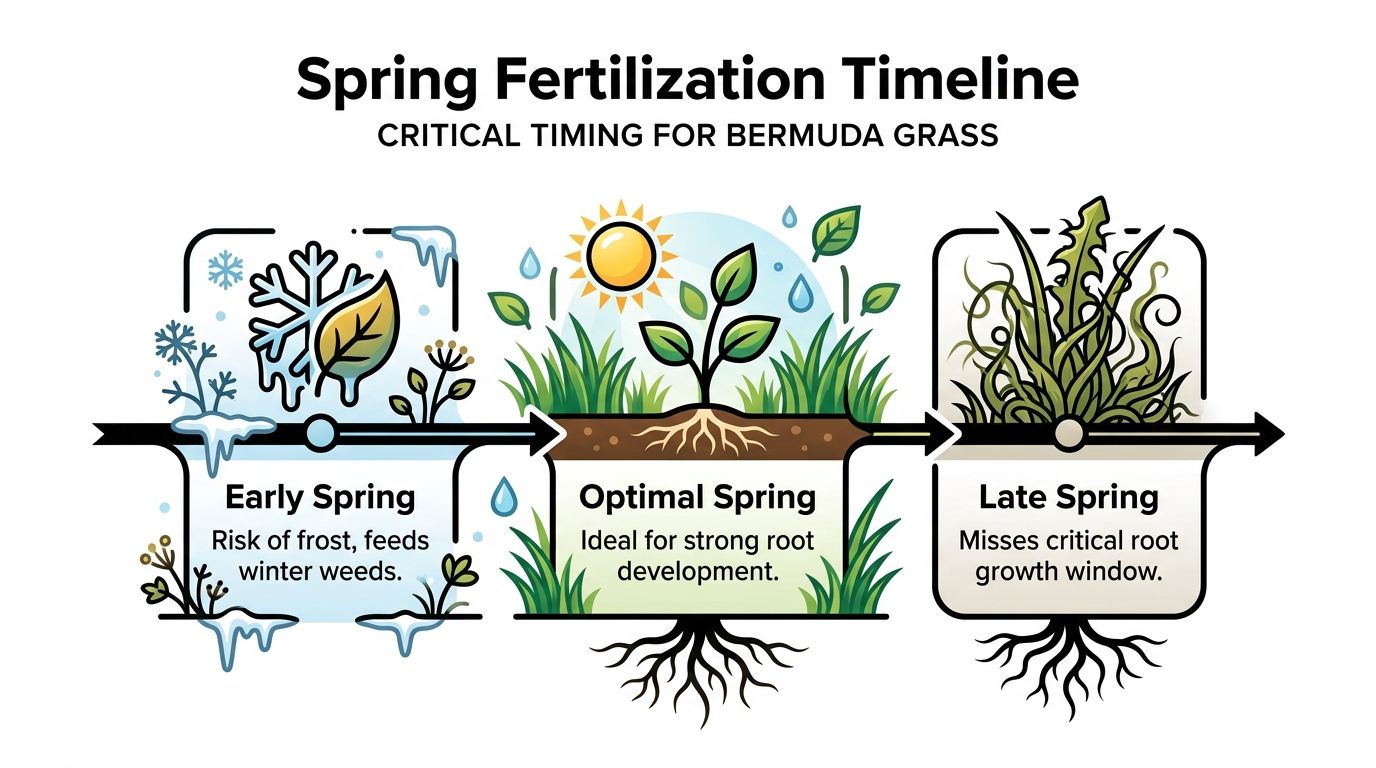
A warm Saturday hits in March, the first green blades show up, and the fertilizer spreader comes out. I see that mistake every spring in North Georgia. It usually gives weeds a head start and leaves Bermuda struggling to catch up.
Bermuda responds well to fertilizer once it is actively growing. Before that point, the lawn cannot use the nutrients efficiently, especially in our clay soils that stay cool longer than the air does.
The cues that matter more than the calendar
In North Georgia, the right window usually shows up after the lawn has pushed into active green-up and the late frost risk has mostly passed. A few green streaks are not enough. The yard should be greening up across most of the lawn, and you should be mowing actual Bermuda growth instead of clipping winter weeds.
That distinction matters.
A spring feeding works best when the plant is ready to turn nutrients into steady growth and stronger recovery. If you fertilize while the grass is still half asleep, you often get fast top growth in scattered areas, extra weed pressure, and more frustration than progress.
Good field cues include:
- The lawn is greening up across the yard, not just in sunny pockets
- Nighttime cold snaps are backing off
- You have mowed at least once because Bermuda is growing
- Dogwoods are blooming, which often lines up with Bermuda waking up in this region
How to handle the first feeding without overdoing it
Spring Bermuda does not need a heavy nitrogen push. It needs a controlled start.
A moderate application with slow-release nitrogen usually fits this season better than a fast synthetic hit. You get steadier growth, less surge mowing, and less chance of pushing tender growth before the lawn is ready to handle stress. For families who care about what kids and pets roll around on, this is usually the more sensible path too. The goal is to feed the lawn without loading the yard with more product than it needs.
I also like to keep expectations realistic here. The first feeding should help the lawn fill in evenly. It should not make the yard look artificially dark in three days.
A solid spring approach looks like this:
- Use a moderate rate, not a catch-up application
- Choose slow-release nitrogen or an organic-first product that feeds gradually
- Water it in so nutrients move into the soil instead of sitting on the leaf blade
- Skip the urge to apply extra product just because part of the yard still looks tan
What works in North Georgia, and what backfires
The spring trade-off is simple. Early fertilizer feels proactive, but patience usually produces the better lawn.
What works
- Waiting until Bermuda is clearly out of dormancy
- Feeding for steady growth instead of fast color
- Matching the product choice to your soil condition and family priorities
- Using spring fertilizer as one part of a bigger seasonal plan
What backfires
- Fertilizing a mostly dormant lawn
- Letting weed pressure trick you into feeding too soon
- Pushing quick nitrogen for cosmetic green-up
- Treating every North Georgia yard like it warms up on the same schedule
That last point gets missed all the time. A lawn in full sun in Milton can wake up faster than a shaded yard in Cumming with heavier clay. Same county. Different timing. The better move is to read the lawn in front of you.
If you want the yard to stay strong once the heat sets in, pair this first feeding with a realistic summer plan. Barefoot Organics breaks that down in this guide to summer grass care for North Georgia lawns.
For families who buy organic food and read ingredient labels, the logic here feels familiar. Start when the system is ready. Use what supports healthy growth. Skip the extra input that creates more problems than benefits. That mindset gives Bermuda a cleaner, safer start in spring.
Sustaining Peak Summer Growth Naturally
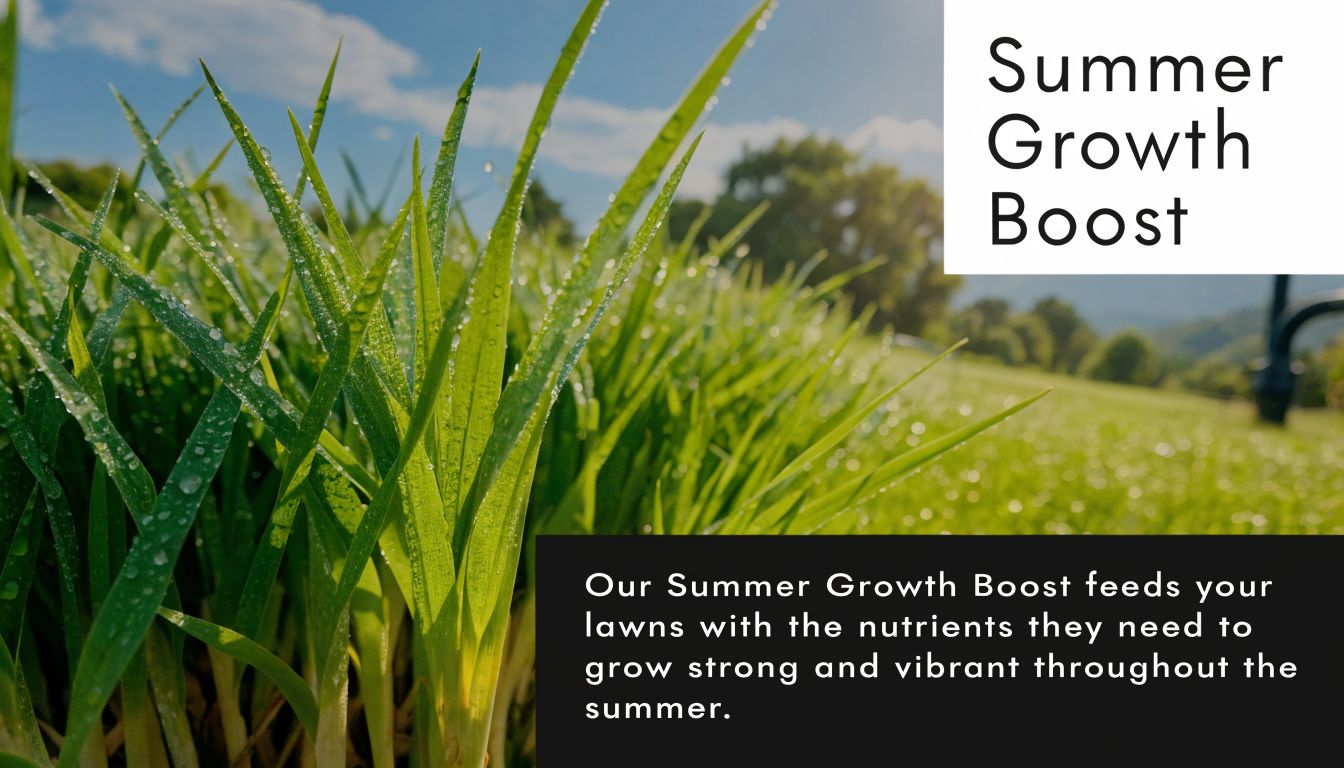
By summer, Bermuda isn’t waking up anymore. It’s working hard.
This is when North Georgia lawns take on heat, foot traffic, dog traffic, backyard play, and long sunny days. A summer fertility plan should support that workload. It shouldn’t just chase a darker color.
Why Bermuda needs a different summer mindset
Bermuda is a warm-season grass. Summer is when it grows hardest and recovers fastest. That’s why feeding during this window makes sense. The lawn can use what you apply.
According to NG Turf’s guidance on Bermuda fertilization timing, during peak growth in June-August, Bermuda should be fertilized every 4-6 weeks at 1 pound of nitrogen per 1,000 sq ft. That same guidance notes that high-potassium blends such as 15-0-15 help support disease resistance and drought tolerance.
That rhythm matters more than homeowners realize. Bermuda responds better to consistent feeding during active growth than to one oversized application that tries to carry the whole season.
Smaller, steady feedings beat heavy summer doses
A lawn in Suwanee, Duluth, or Alpharetta has to do more than stay green. It has to resist wear. It has to recover from mowing. It has to hold together through hot stretches and regular use.
That’s why smaller, timed feedings tend to outperform the “dump a lot and hope” approach.
Here’s the practical difference:
| Summer approach | Typical result |
|---|---|
| One heavy feeding | Fast top growth, more mowing, softer tissue |
| Consistent seasonal feedings | Better density, steadier recovery, less swing in performance |
| Product choice that includes potassium | Better support during heat and dry stress |
A thick Bermuda lawn is one of your best weed defenses. Not because fertilizer kills weeds, but because healthy turf takes up space. Dense grass gives crabgrass and other summer weeds less room to move in.
Product choice matters as much as timing
Not every fertilizer bag deserves a spot on a Bermuda lawn. Some products are too aggressive for the season. Others push top growth without supporting resilience.
NG Turf notes common summer blends such as 24-0-11 or 18-0-4 for active growth, and points to 15-0-15 when potassium support is needed in stressful conditions. For homeowners who want a natural-leaning lawn program, the lesson isn’t that you need to chase every formula on the shelf. It’s that the label matters, and the nutrient balance should match the season.
A summer lawn that gets pushed too hard often looks good for a short window and then struggles the moment heat or traffic builds.
Good summer feeding pairs with practical maintenance:
- Mow consistently. Don’t scalp Bermuda and then try to fix stress with fertilizer.
- Water thoroughly and sensibly. Frequent shallow watering creates weak habits in the lawn.
- Watch traffic patterns. The spot where kids enter the yard or dogs run the fence often needs management, not just more product.
- Keep the schedule regular. Bermuda likes rhythm in summer.
Homeowners who want help coordinating that schedule can compare options, including service-based support such as Barefoot Organics’ guide to grass care in summer.
Prepping for Dormancy The Final Fall Application
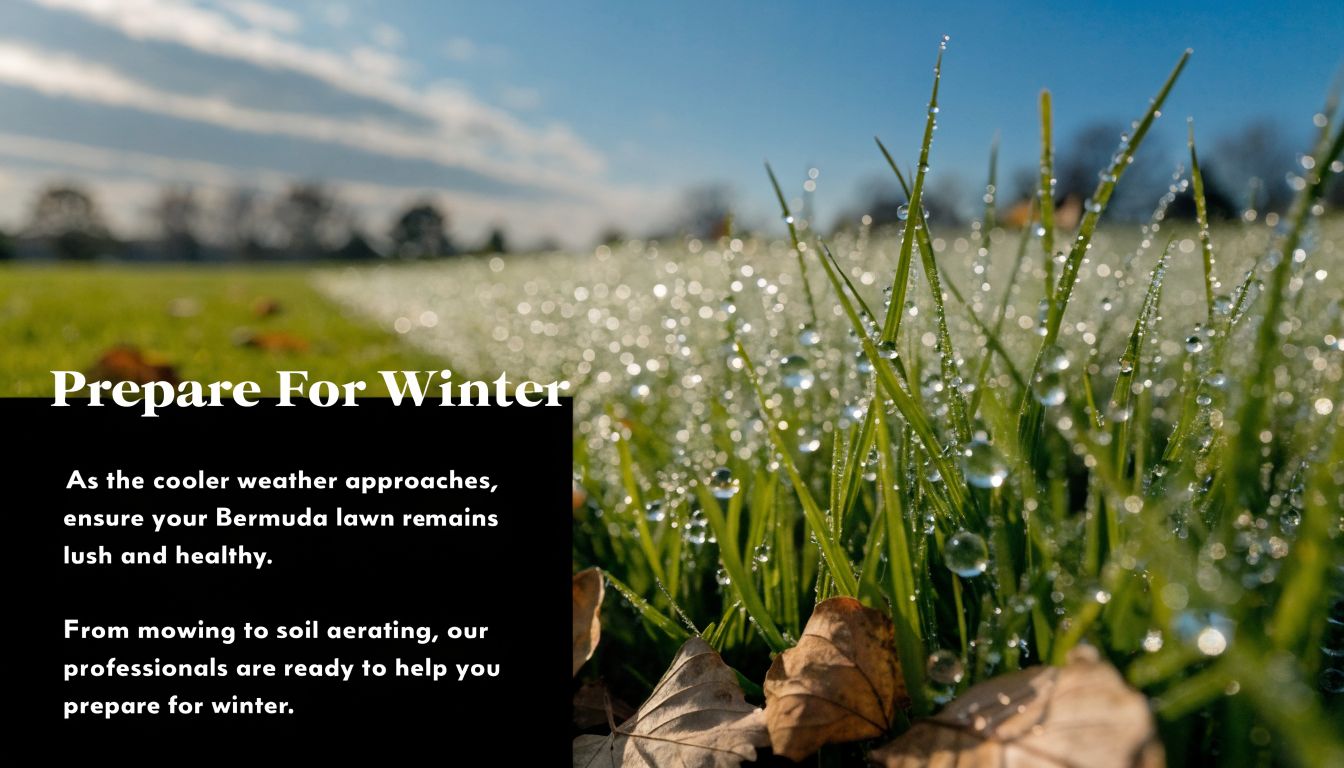
Late summer and early fall require a different mindset. You’re no longer feeding Bermuda for fast spread or a dramatic top-growth response. You’re preparing it to shut down cleanly.
That change is where many lawns in Cherokee County and Gwinnett County get mishandled. The grass still looks active, so people keep applying nitrogen like it’s midsummer. That’s where trouble starts.
Shift from growth to durability
As fall approaches, the goal is root strength and winter readiness. The lawn doesn’t need a big push to produce tender new blades that could get caught by cold weather.
The verified guidance for Bermuda in this period calls for a late summer or early fall application with a low-nitrogen, high-potassium direction, using blends such as 12-4-14, 6-12-18, or 4-12-12, while avoiding nitrogen applications after early September because that can encourage cool-season weed invasion, as noted in the earlier seasonal source.
That’s the key trade-off. A late nitrogen push can give short-term color, but it often weakens the lawn’s transition into dormancy.
How to handle the final application
Think of this feeding as support, not stimulation. If the product is right for the season, it helps the lawn finish strong instead of staying artificially revved up.
Use a simple filter:
- Lower nitrogen is better here. You’re not trying to force lush new growth.
- Potassium matters more. It supports stress tolerance heading into colder weather.
- Timing has to stay early enough. Waiting too long undercuts the point of the application.
A clean final feeding schedule usually leaves the lawn more stable in fall and easier to bring back the next spring. It also reduces the urge to overcorrect once dormancy starts.
Healthy fall care is quiet. You may not see dramatic color changes, but you’ll usually see the difference in how the lawn comes back.
If you want a seasonal reference for that timing, Barefoot Organics has a related page on when to apply winterizer fertilizer.
What to avoid before winter
The biggest mistake is treating fall like an extension of summer. Bermuda doesn’t need to be pushed all the way into cold weather.
Avoid these habits:
- Late nitrogen for cosmetic color
- Using the same fertilizer formula from summer into fall
- Trying to correct every issue at once right before dormancy
- Confusing weed pressure with a need for more fertility
For households that value clean ingredients in the kitchen, this part of lawn care feels familiar too. More input isn’t always healthier. Better timing usually wins.
Common Fertilizing Mistakes to Avoid in Georgia
The most common Bermuda fertilizer mistakes in Georgia come from impatience, overconfidence, or a bag label that promises too much.
A lawn in Roswell or East Cobb usually doesn’t fail because the owner cared too little. It fails because the plan was too generic. Bermuda rewards timing and consistency. It punishes “close enough.”
The big-box shortcut problem
A one-size-fits-all fertilizer from a chain store often ignores two things that matter in North Georgia. First, Bermuda changes needs through the season. Second, your soil may not match the assumptions on the bag.
That’s why blanket products often create uneven results. The lawn may green quickly, then thin out, build thatch, or lose ground to weeds once the flush fades.
Mistakes that cost homeowners the most
Some errors show up fast. Others build gradually over a season.
- Fertilizing too early in spring. This feeds the wrong plants and can stress Bermuda before it’s ready.
- Applying too much nitrogen at one time. More growth isn’t the same as better growth.
- Using weed-and-feed at the wrong moment. Combined products can tempt homeowners to solve two problems with one pass, even when the timing for one of those problems is wrong.
- Skipping soil testing. Without it, every application is a guess.
- Treating brown dormant Bermuda like dead grass. That often leads to unnecessary product use.
The cheapest lawn plan is usually the one that avoids fixing preventable mistakes later.
Better habits that actually work
A strong Bermuda program is simpler than people expect. It just isn’t lazy.
Instead of trying to force results, do this:
- Test the soil first. Start with the condition under the turf.
- Time applications to growth. Feed active Bermuda, not dormant Bermuda.
- Match the product to the season. Spring, summer, and fall don’t call for the same formula.
- Use moderation. Lawn care should support density and resilience, not create a burst-and-crash cycle.
- Focus on the whole system. Mowing, watering, and soil health all affect how fertilizer performs.
That approach fits health-conscious families well. If you care where to buy organic meat, want local farm products, or build clean eating grocery lists for your household, you already understand the principle. Inputs matter. Timing matters. Quality matters. Lawn care isn’t separate from that mindset.
Your Annual North Georgia Bermuda Care Calendar
Most homeowners don’t need more theory. They need a practical rhythm they can follow.
This calendar keeps Bermuda care aligned with North Georgia conditions without turning the yard into a chemistry experiment. The goal is simple. Feed when the grass can use it, support the soil, and avoid pushing growth at the wrong time.
Annual Bermuda Grass Care Calendar for North Georgia
| Month | Primary Task | Key Considerations |
|---|---|---|
| January | Monitor dormancy | Don’t fertilize dormant Bermuda. Use this time to review last season’s trouble spots and plan a soil test. |
| February | Prepare for spring | Gather soil test materials and inspect drainage, compaction, and thin areas. Avoid the urge to green the lawn up early. |
| March | Watch for green-up cues | In North Georgia, some lawns start transitioning, but timing varies. Wait for active growth signals instead of feeding by date alone. |
| April | First fertilizer application if conditions are right | Apply the first spring feeding only after the lawn is sufficiently green and frost danger has passed. Keep mowing consistent as growth starts. |
| May | Build momentum | Continue regular mowing and watch how the lawn responds. If spring feeding was timed well, density should improve steadily rather than all at once. |
| June | Begin summer fertility rhythm | Summer is active Bermuda season. Maintain a regular feeding schedule, mow often enough to avoid scalping, and water sensibly. |
| July | Support heat resilience | Keep summer nutrition consistent. Watch high-traffic areas, dry spots, and signs that the lawn needs potassium support rather than more aggressive top growth. |
| August | Finish the main feeding window carefully | Stay disciplined with timing. Don’t let a lush summer lawn tempt you into late heavy nitrogen. Aeration can also fit this season when soil conditions allow. |
| September | Transition toward dormancy prep | Early in the month may still allow the final appropriate seasonal feeding. After that, shift focus away from growth and toward stability. |
| October | Maintain, don’t push | Continue mowing as needed while growth slows. Keep the lawn clean and avoid late fertility that can set up weed or cold-weather issues. |
| November | Enter dormancy | Bermuda is shutting down. This is a good month to assess the season and note what worked, especially in shaded or compacted areas. |
| December | Rest and review | No active fertilization. Use the off-season to line up next year’s lawn plan and decide whether you want professional support. |
How to use this calendar without overcomplicating it
Don’t treat the calendar as a rigid checklist. Weather shifts. Individual lawns vary. Soil condition changes how the same Bermuda variety performs from one yard to the next.
A better way to use it is as a seasonal decision guide:
- Spring asks whether the lawn is awake
- Summer asks how to sustain healthy use and recovery
- Fall asks how to help the lawn shut down properly
- Winter asks what the soil and maintenance history taught you
That’s the true answer to when to fertilize Bermuda grass. Not “on the same weekend every year,” and not “whenever the lawn looks hungry.” The right answer is when the grass is in the right stage to benefit.
For families in Cumming, Alpharetta, Johns Creek, Suwanee, Duluth, and nearby North Metro Atlanta communities, that approach lines up well with a broader lifestyle built around better inputs. The same household that looks for an organic grocery store, compares organic produce near me options, or chooses pasture-raised eggs and grass-fed beef usually prefers a lawn care plan with fewer unnecessary products and clearer reasons behind each step.
A good Bermuda lawn isn’t just green. It’s durable, predictable, and comfortable to live on. Kids can play on it. Dogs can run it. You can walk it barefoot without wondering what was thrown down last weekend.
If you want help with weed control or lawn care in Cumming and North Georgia, get a free quote from Barefoot Organics.