

Thinking about using baking soda on your lawn in Cumming or Alpharetta? Let's get straight to the point: it’s not the magic bullet you might have read about online. In fact, for our classic North Georgia red clay, it’s far more likely to cause problems than solve them.
The Truth About Using Baking Soda on Georgia Lawns
If you've spent any time on gardening forums, you've seen the posts. Someone swears that a box of baking soda cleared up their brown patch or zapped their dandelions. For homeowners from Johns Creek to Dahlonega battling our humid summers and stubborn weeds, the promise of a cheap, easy fix right from the kitchen pantry is tough to ignore.
But here’s the reality—this popular DIY hack is a huge gamble for your lawn. What might seem to work in a tiny, isolated test spot can be a disaster when you broadcast it across the complex, living ecosystem of your yard. The very thing that makes baking soda seem effective is also what makes it so potentially damaging.
Why the Hype is Misleading
The buzz around baking soda as a lawn care miracle comes from a few common beliefs, most of which are just half-truths. It gets touted as a single solution for a bunch of different headaches.
- As a Weed Killer: The idea is that a quick spray will knock out pesky weeds.
- As a Fungicide: It’s often recommended for fighting off diseases like brown patch and dollar spot.
- As a pH Balancer: Some people believe it can neutralize acidic soil to help grass grow better.
While there’s a tiny sliver of science behind these claims, they completely gloss over the serious risks. Baking soda is what we call a non-selective agent. That means it has no idea whether it's hitting a crabgrass plant or your prized Bermuda turf. That lack of precision is where things get dangerous.
Here's a good way to think about it: Dousing your lawn in baking soda is like using a sledgehammer to hang a picture. Sure, you might get the nail into the wall, but you're going to leave a lot of collateral damage behind.
Before we go any further, let's break down the common claims versus the real-world risks for our local lawns.
Baking Soda on Your Lawn Quick Facts
This table gives you a quick, scannable overview of why this popular DIY trick often backfires, especially here in North Georgia.
| Claimed Use | Potential Benefit | Major Risk for Georgia Lawns |
|---|---|---|
| Weed Killer | At high concentrations, it can dehydrate and burn plant tissue. | It doesn't discriminate—it can burn your fescue or Zoysia just as easily as the weeds. |
| Fungicide | Its alkaline nature can temporarily disrupt the environment where some fungi thrive. | It provides no lasting protection and can weaken the grass, making it more susceptible to future diseases. |
| Soil pH Balancer | Can temporarily raise the pH of the immediate soil surface. | Our clay soil is naturally acidic. A sudden, drastic pH spike from sodium bicarbonate can "lock up" vital nutrients, starving your grass. |
Ultimately, the short-term "fixes" offered by baking soda are far outweighed by the potential for long-term damage to your soil's health.
The North Georgia Soil Factor
This is what makes the baking soda advice especially hazardous for anyone with a yard in Milton or Forsyth County. We all know our soil—it’s that signature dense, red clay. By its very nature, this soil is acidic.
When you throw a highly alkaline substance like sodium bicarbonate onto it without knowing your soil's exact chemistry, you can send the pH level skyrocketing. This sudden, jarring change is a shock to the system. It can chemically bind essential nutrients like iron and manganese to the soil particles, making them unavailable for your grass to absorb.
The result? Instead of a healthy, green lawn, you could end up with yellowing, weak turf that's an open invitation for pests and disease. Before you even think about reaching for that Arm & Hammer, let’s dig into what’s really happening at a chemical level and look at some smarter, safer alternatives for a lawn that can truly thrive in our local climate.
How Baking Soda Actually Affects Your Soil's Health
To really get why baking soda is a bad bet for your lawn, you have to look past the grass blades and down into the soil. It’s best to think of your soil as a living, breathing ecosystem—like a complex aquarium. If you want your fish to thrive, you know the water chemistry has to be spot-on, especially the pH. Your lawn is exactly the same.
Baking soda is a chemical, sodium bicarbonate, and it's highly alkaline. When you sprinkle it on your lawn, you're not just adding a simple powder; you're dumping a powerful chemical into that finely balanced aquarium. For those of us in areas like Johns Creek and Milton, where we're dealing with naturally acidic red clay, this can cause a sudden, violent shock to the system.
The Critical Role of Soil pH
So, what is soil pH? It's just a way to measure how acidic or alkaline your soil is on a scale from 0 to 14. A pH of 7 is neutral. Anything below that is acidic, and anything above is alkaline. The grasses we love here in North Georgia, like Fescue and Bermuda, are happiest in soil that’s slightly acidic—somewhere in the 6.0 to 6.8 range.
That little window is the sweet spot. It's where all the key nutrients—nitrogen, phosphorus, iron—are unlocked and available for the grass roots to soak up. When the pH is right, your lawn can easily get the food it needs to stay green, thick, and tough.
But when you introduce something like baking soda, it sends the pH skyrocketing, pushing the soil into a highly alkaline state way outside that healthy zone.
This diagram shows how a simple internet "hack" can lead to some serious, real-world damage to your soil.
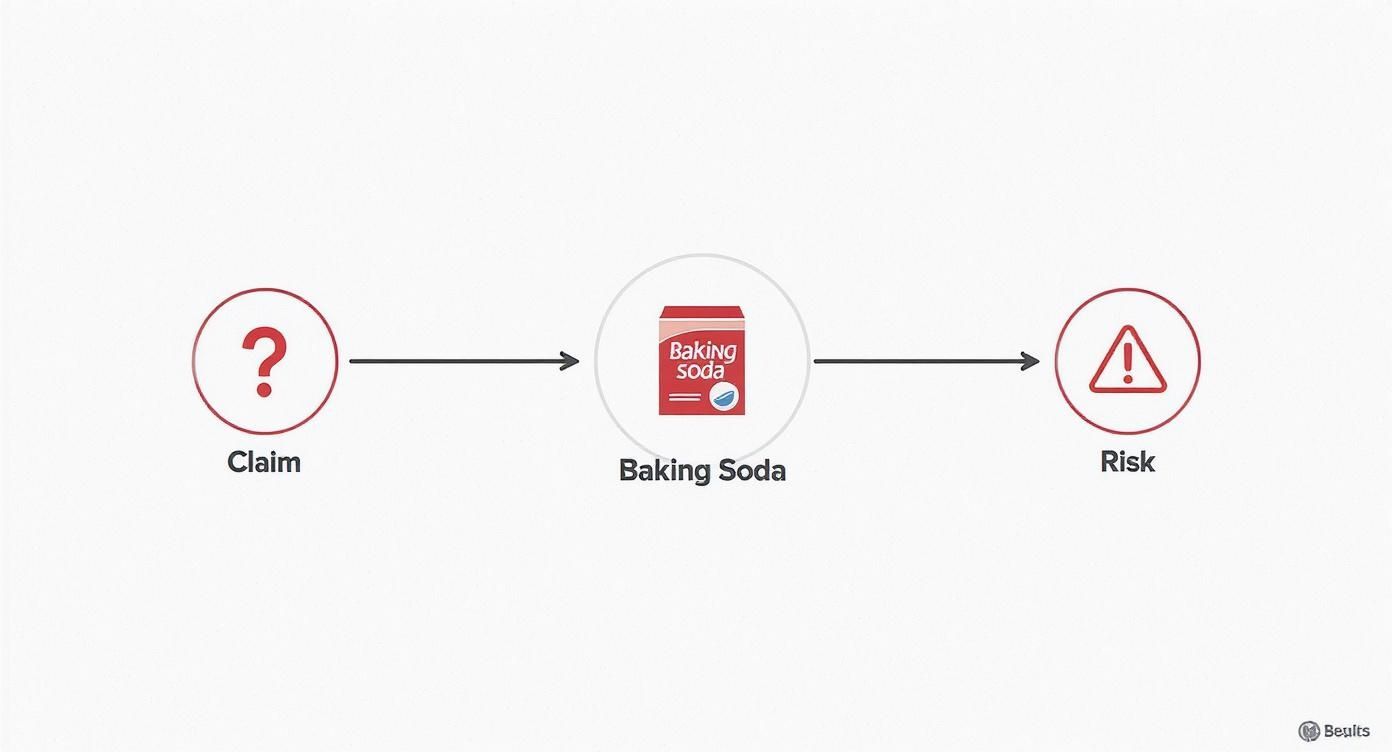
What seems like a simple solution on the surface completely ignores the complex chemistry happening underground.
Nutrient Lockout: The Hidden Danger
When soil becomes too alkaline, a damaging chemical reaction kicks in called nutrient lockout. Think of it like someone just locked the pantry door. All the food (nutrients) is still in there, but your grass simply can't get to it. The high pH literally binds essential micronutrients to the soil particles, making them impossible for the plant to absorb.
The fallout for your lawn is swift and severe:
- Iron Deficiency: This is usually the first thing you'll notice. Without enough iron, the grass can't produce chlorophyll, and the blades turn a sickly, pale yellow. This condition is called chlorosis.
- Weakened Growth: A lawn that can't eat is a lawn that can't grow. It will become thin, patchy, and weak.
- Increased Vulnerability: A starving lawn is an easy target. It becomes much more susceptible to stress from heat and drought, and it's a sitting duck for the very pests and fungal diseases you were probably trying to fix in the first place.
You could be using the best fertilizer on the market, but the baking soda makes it all useless.
In an attempt to solve one surface-level problem, you can inadvertently starve your entire lawn from the roots up. This can cause long-term damage that is incredibly difficult and expensive to fix.
The only way to know what your soil truly needs is to test it. Before you add anything to your lawn, you need a baseline reading. We have a whole guide that walks you through the right way to find out your lawn's pH, which you can find here: how to test soil pH. Taking this one step eliminates the guesswork and helps you avoid costly mistakes. After all, a healthy lawn starts with smart, data-driven decisions, not with random products from your kitchen cabinet.
Debunking the Myth of Baking Soda as a Weed Killer
One of the most persistent "hacks" you'll find online is using baking soda as a cheap, natural weed killer. And while it's technically true that it can kill plants, it's a dangerous half-truth for any homeowner in Cumming or Alpharetta who actually cares about their lawn. Baking soda doesn’t work like a smart herbicide; it works like a chemical sledgehammer.
It’s what’s known as a non-selective desiccant, which is just a scientific way of saying it aggressively rips moisture out of living things. Think about what happens when you pour salt on a slug—it’s that same brutal process, but on a cellular level for plants. The sodium bicarbonate literally dehydrates any plant it touches, causing it to shrivel up and die.
The problem? It has absolutely zero precision. Baking soda can’t tell the difference between a stubborn patch of crabgrass and your prized Fescue. Spraying it on your lawn is a gamble where the odds are seriously stacked against your turf.
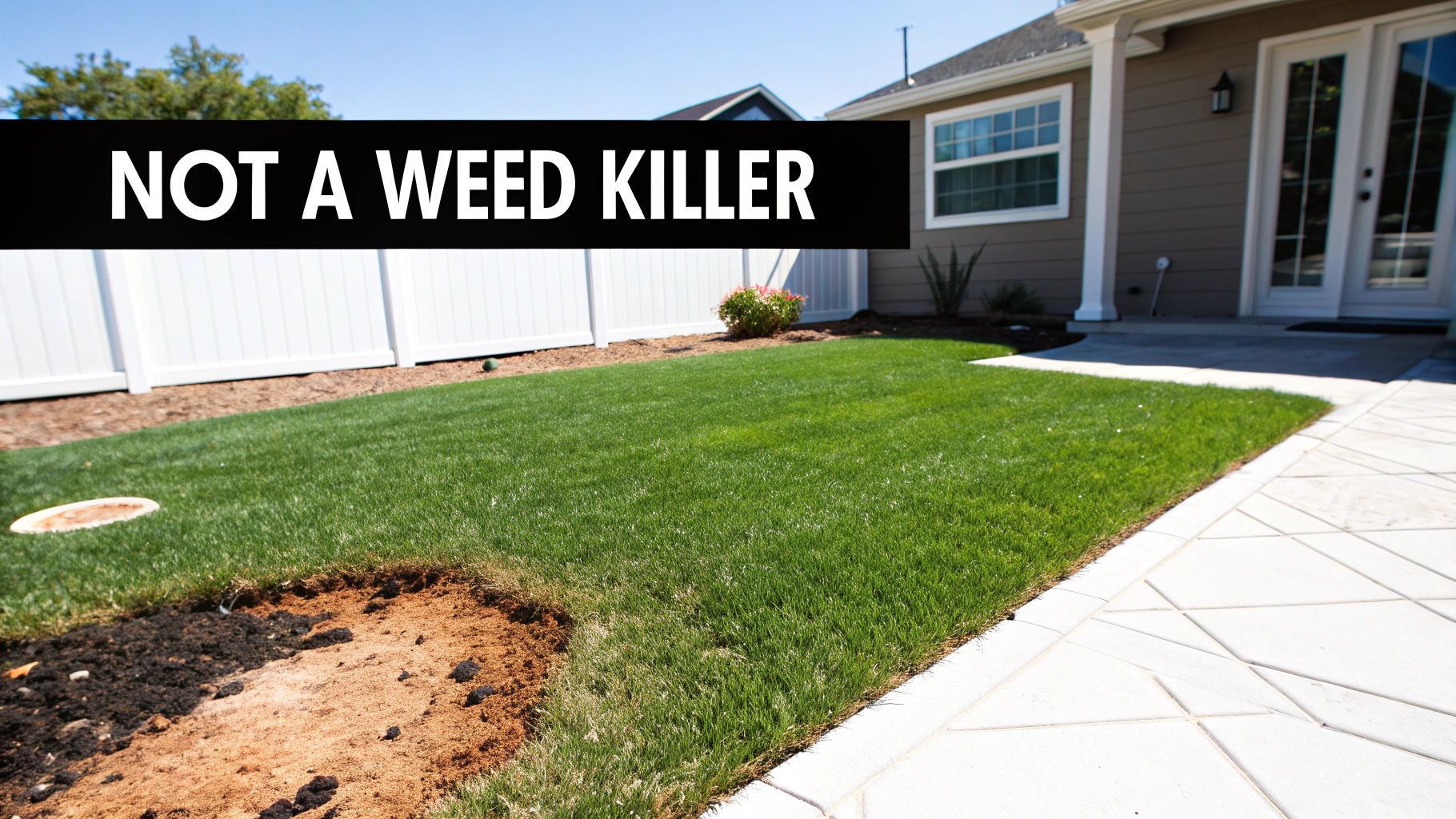
The Hidden Danger of Sodium Buildup
Scorching your grass is bad enough, but the long-term damage is what really worries me as a lawn care professional. Every time you douse a weed with baking soda, you’re loading your soil with sodium. Unlike nutrients that plants can use, sodium just hangs around, building up over time.
This accumulation is toxic to your soil’s delicate ecosystem. It destroys the soil structure, making it dense and hard for water and air to get to the roots. At high enough levels, it effectively poisons the ground, leading to barren spots where nothing will grow—not even the weeds you were trying to kill.
You might get rid of a few dandelions today, but you risk creating a sterile patch of dirt that will haunt your lawn for seasons. For those of us in Dahlonega battling our native clay soil, this kind of damage can be incredibly tough and expensive to fix.
Why Safer Weed Control is a Smarter Strategy
Instead of torching your lawn with a kitchen ingredient, a much better plan is to focus on methods that boost your lawn's own natural defenses. Honestly, the best weed deterrent on the planet is a thick, healthy, well-fed lawn.
Key Takeaway: Baking soda attacks weeds through brute-force dehydration, a method that also harms your grass and poisons your soil with sodium over time. It's a high-risk, short-term tactic with serious long-term consequences.
When you promote dense turf growth, you naturally choke out weeds by robbing them of the sunlight and space they need to sprout. It's a core principle of sustainable lawn care. We dive deeper into these smarter approaches in our guide to natural weed control methods.
Using Baking Soda for Lawn Fungus: A Risky Gamble
Of all the DIY lawn hacks you hear about, using baking soda to fight fungus is the one that seems to have a sliver of scientific truth to it. Here in Cumming and across North Georgia, our hot, humid summers create a perfect storm for fungal diseases like brown patch, which can wreak havoc on Fescue and Zoysia lawns. The theory goes that baking soda, being highly alkaline, can change the pH on a grass blade’s surface, making it an unfriendly place for fungal spores to set up shop.
It sounds plausible, right? After all, gardeners have been known to mix a tablespoon or two of sodium bicarbonate (NaHCO₃) in a gallon of water to spray on plants for issues like powdery mildew. You can find plenty of articles, like one on BackyardBoss.net, that explore this very idea.
But here’s the reality check: what works on a few rose bush leaves is a whole different ballgame when you're talking about an entire lawn. Trying this on your turf is a high-stakes gamble, and the odds are stacked against you.
The Razor-Thin Margin Between Helping and Harming
The biggest issue is the concentration. The amount of baking soda needed to actually stop a fungus is dangerously close to the amount that will scorch your grass, leaving you with ugly chemical burns.
Think of it like walking a tightrope. One tiny misstep, and you’ve gone from trying to help to causing serious damage. That’s precisely the situation you’re in when mixing a baking soda spray for your lawn.
A concentration that seems okay on a cool, cloudy morning could be a recipe for disaster on a hot, sunny afternoon. With so many variables in play—temperature, humidity, grass type, fungus type—there is virtually no margin for error. You could easily end up burning the very lawn you're trying to save.
Key Takeaway: While baking soda can change surface pH enough to temporarily bother some fungi, the concentration you need is so high that it often causes chemical burns on the grass blades. You’re just trading one problem for another.
And even if you get lucky, it’s not a lasting fix. The moment it dries or the next Georgia downpour washes it away, any minor benefit is gone. The fungus, often facing a now-weakened lawn, can come back with a vengeance.
Treating a Symptom, Not the Cause
Let's say you manage to apply it without burning your grass. You're still just putting a bandage on a much deeper problem. Using baking soda for a fungal outbreak is like taking a cough drop for pneumonia—it might make you feel better for a minute, but it does absolutely nothing to cure the underlying disease.
Fungal problems are almost always a symptom of a bigger issue in your lawn's ecosystem. In areas like Alpharetta and Milton, we constantly see fungus pop up because of these root causes:
- Soil Compaction: Our heavy clay soil gets packed down easily, choking off air and water flow to the roots. This creates a damp, stagnant environment where fungi love to grow.
- Poor Watering Habits: Watering your lawn for short bursts every day is one of the worst things you can do. It keeps the grass blades constantly wet, rolling out the welcome mat for disease. The right way is to water deeply and infrequently.
- Excessive Thatch: A thick, spongy layer of dead grass and roots can trap moisture at the soil surface, suffocating the turf and inviting fungus.
- Poor Airflow: Sometimes fences, thick shrubs, or even a neighbor's house can block the breeze, leaving parts of your lawn damp and humid for far too long.
Spraying a brown patch with baking soda does nothing to fix the compacted soil that caused it. The fungus is guaranteed to return.
The Professional and Holistic Strategy
Instead of reaching for risky, temporary fixes, the best defense is to build a lawn that is naturally strong enough to fight off diseases on its own. That means tackling the root causes we just covered.
A truly healthy lawn starts from the ground up with healthy soil and smart lawn care practices. For a deeper dive into these proven methods, check out our guide on how to treat lawn fungus naturally. A holistic strategy creates an environment where grass thrives and fungus struggles, giving you a beautiful, resilient lawn that lasts.
Smarter Alternatives for a Thriving Georgia Lawn
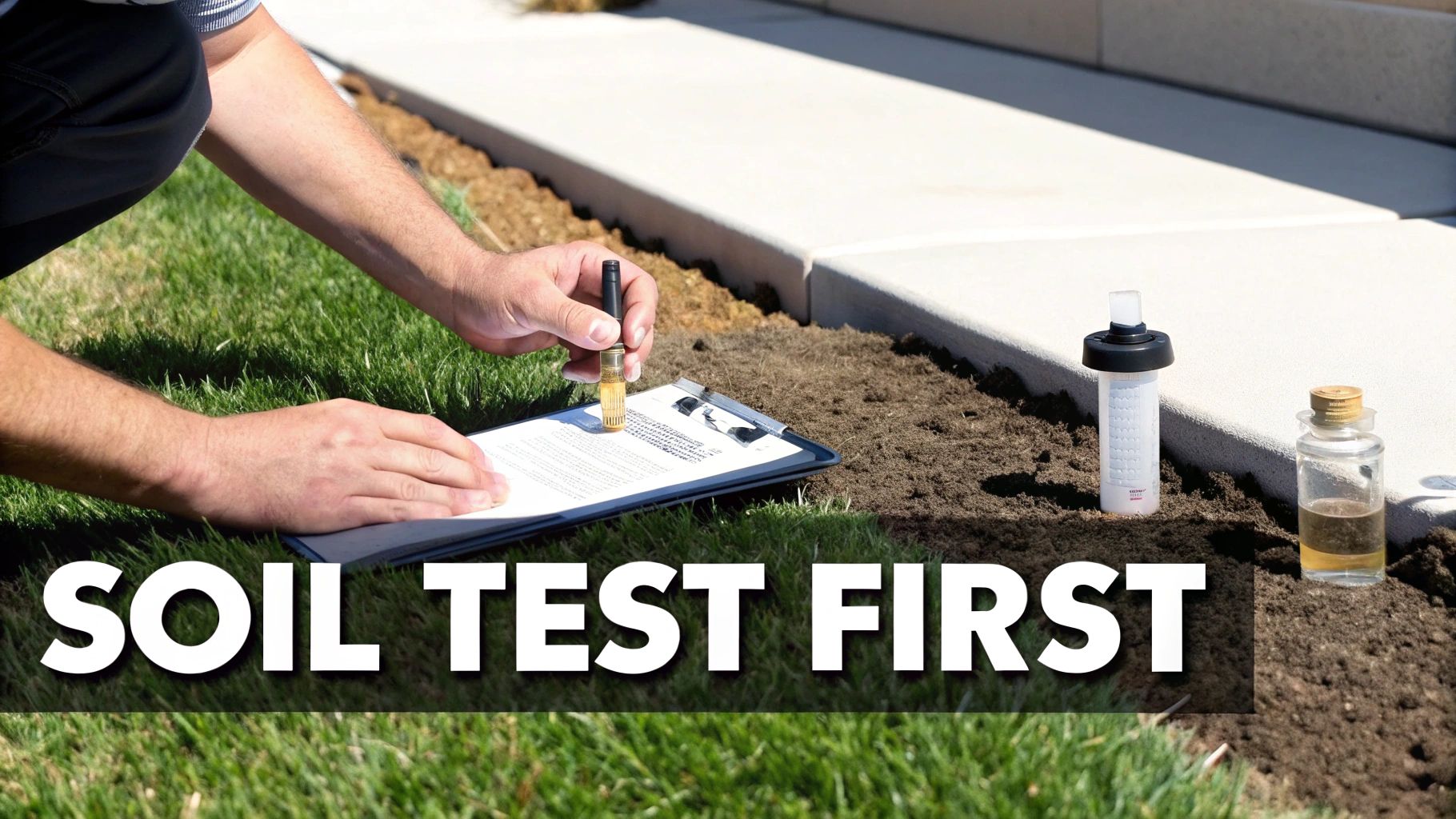
So, we've established that the baking soda "hack" is a seriously bad idea for your lawn. Where do we go from here? The answer isn't about finding a better quick fix. It's about building a lawn that's so healthy it naturally defends itself against problems.
For us here in North Georgia, that process always starts below the surface. A truly great lawn isn't built with a sprayer; it's built on a foundation of healthy soil.
Start With a Professional Soil Test
Think of a soil test as a blood test for your yard. It’s the single most valuable piece of information you can have, telling you exactly what’s going on in the ground your grass is trying to grow in.
Without it, you're just guessing. You could be throwing down fertilizer your lawn can't even use or applying products that make an existing problem worse. For homeowners in Forsyth County and Cumming battling our infamous acidic red clay, flying blind is a recipe for frustration. A professional test gives you a clear, actionable roadmap.
Correcting Soil pH the Right Way With Lime
If that soil test comes back and confirms your soil is too acidic (a very common issue around here), the answer is agricultural lime—not baking soda.
Lime is a soil amendment that works slowly and predictably to raise the pH. It’s a gentle, steady process that unlocks nutrients that were previously unavailable to your grass roots. Unlike the chemical shock of sodium bicarbonate, a lime application based on your test results creates a stable, healthy environment where your Fescue or Bermuda can finally flourish.
A soil test takes the guesswork out of lawn care. It’s the difference between blindly throwing chemicals at a problem and strategically giving your lawn the exact nutrition it needs to flourish.
Building Natural Weed and Fungus Defenses
A thick, dense lawn is its own best defense mechanism. Instead of reacting to every brown patch or weed with a chemical, you can create a yard that is naturally resilient to these pressures. It all comes down to smart cultural practices that work with our local Alpharetta and Milton climate, not against it.
For keeping fungal diseases at bay, forget the sprays and focus on the environment:
- Water Deeply, Not Daily: Water your lawn just a couple of times a week, but for longer periods. Do it in the early morning. This encourages deep roots and gives the blades all day to dry out, robbing fungus of the damp, humid conditions it needs to survive.
- Let Your Soil Breathe: Annual core aeration is non-negotiable in our heavy clay. It breaks up compaction, improves drainage, and gets oxygen down to the root zone, creating an environment that’s hostile to fungal growth.
When it comes to weeds, the best control strategy is to simply crowd them out.
- Mow High: Set your mower deck to a higher setting. Taller grass shades the soil, which prevents many common weed seeds from ever getting the sunlight they need to germinate.
- Feed for Density: Using the right fertilizer (as recommended by your soil test!) encourages your turf to grow in thick and tight, leaving absolutely no room for opportunistic weeds to get a foothold.
Baking Soda vs. Recommended Organic Lawn Treatments
This table lays it out clearly. The choice between a risky pantry experiment and a proven horticultural method is an easy one.
| Lawn Problem | Baking Soda Approach (High Risk) | Safer, Recommended Alternative |
|---|---|---|
| Acidic Soil (Low pH) | Drastically spikes pH, causing nutrient lockout and adding salt. | Agricultural Lime: Gradually and safely raises pH based on a professional soil test. |
| Weed Infestation | Burns any plant it touches (grass included); adds harmful sodium to the soil. | Thick Turf: Promote dense grass growth through proper mowing and fertilization to naturally choke out weeds. |
| Fungal Disease | Temporarily alters surface pH with a high risk of scorching the lawn. | Core Aeration & Proper Watering: Address the root causes like soil compaction and excess moisture. |
By committing to these professional, organic-first methods, you’re doing more than just treating symptoms. You're building a healthy, self-sustaining ecosystem from the soil up. The result is a beautiful, resilient lawn that's also a safe place for your family and pets in Johns Creek to enjoy.
Know When to Call a Lawn Care Professional
Let's be honest, there's a certain satisfaction that comes from tackling lawn care yourself. But sometimes, even the best weekend warrior efforts can backfire, leaving you with more frustration than a lush, green lawn. This is especially true when you start trying out internet "hacks" like baking soda, which often create bigger problems than they solve.
Knowing when to put down the spreader and pick up the phone is the smartest move you can make for your lawn's health.
If you feel like you're stuck in a loop—treating the same problems over and over—that's a huge red flag. Constant fungal outbreaks, weeds that seem to mock your every attempt to remove them, or grass that just stays stubbornly yellow are all signs of a deeper, underlying issue.
Recognizing the Warning Signs
Here in North Georgia, from Cumming to Alpharetta, our heavy clay soil and humid summers create a unique set of challenges. It's probably time to call in an expert when you run into problems that are more than just a simple fix.
- Recurring Fungal Disease: You treated that brown patch, but it just came right back. This usually means there's an underlying problem like soil compaction or a watering issue that a simple surface spray will never fix.
- Mysterious Soil Test Results: Getting a soil test is a fantastic first step. But what if the report reads like a different language? A pro can translate that data into a precise, actionable plan for your yard.
- Persistent Weed Takeover: When you feel like you're losing the war against weeds, it’s often because your turf isn't strong enough to compete. A professional strategy focuses on building a thick, healthy lawn that naturally crowds out those unwanted invaders.
We all understand the risks of DIY and when to consult experts when it comes to something like tree trimming. The same logic applies to your lawn. Guessing your way through deep-rooted soil issues can be a costly mistake.
The Value of Local Expertise
This is where working with a local professional like Barefoot Organics really makes a difference. We know North Georgia lawns, from Milton all the way up to Dahlonega. We don't just treat the symptoms you can see; we dig deeper with a science-based, organic-first plan designed for our specific climate and soil.
A professional approach ultimately saves you time, money, and the headache of watching another DIY experiment fail.
Instead of spending another season guessing, an expert can give you a clear roadmap to a healthy lawn. You get the peace of mind knowing the job is done right the first time, protecting your investment and giving you a beautiful, safe yard for your family to enjoy.
Your Top Questions About Baking Soda on the Lawn, Answered
Even with all the warnings, it's natural to still have questions. We get it. Here are the answers to the most common queries we hear from homeowners around Cumming, Johns Creek, and right here in our North Georgia backyards.
Is It Safe for My Kids and Pets?
While baking soda itself isn't toxic if a little is spilled, the real issue is what happens when you apply enough to actually affect the lawn. A heavy-handed application can easily kill off patches of grass.
If your dog were to eat a clump of that concentrated powder, it could lead to an upset stomach or irritation. For true peace of mind, professionally applied organic treatments are the way to go. They’re formulated from the ground up to be family- and pet-friendly while actually nourishing your turf.
How Much Baking Soda Is Too Much?
Honestly, this question gets to the heart of the problem. There's really no "safe" amount that's also effective for your entire lawn. Any concentration strong enough to have a chance at killing weeds or fungus is almost certainly strong enough to damage your grass and throw your soil's delicate chemistry out of whack.
This is especially true for our acidic Georgia clay. The line between what might "help" and what will definitely "harm" is razor-thin and not worth walking.
A baking soda application is a total gamble. You could do it once and see little damage, but try it again under different weather conditions in Alpharetta, and you might scorch your entire lawn.
Will It Kill the Moss in My Yard?
It can, but it’s like putting a band-aid on a broken leg. Baking soda might dry out and kill the moss on the surface, but it does nothing to fix the reason the moss is there in the first place.
Moss is just a symptom of deeper problems. It almost always points to one of these classic North Georgia lawn issues:
- Compacted Clay Soil: A familiar story for all of us here.
- Too Much Shade: From our beautiful mature trees in areas like Milton.
- Acidic Soil (Low pH): The default state for much of our region's ground.
Unless you fix the underlying cause, that moss will just keep coming back, year after year. The real, long-term solution involves things like core aeration, proper soil amendments, and sometimes even a little strategic pruning.
Does Mixing It with Soap Make It Better?
You'll see this tip all over the internet. The dish soap acts as a surfactant, which is just a technical term meaning it helps the baking soda solution stick to the leaves instead of beading up and rolling off.
But making the mixture stickier doesn't change the chemistry. You're still facing the same high risk of burning your lawn and the same certainty of long-term sodium buildup in your soil. Mixing up homemade chemical sprays is unpredictable—it's a far bigger risk than using a product that has been professionally formulated and tested for your specific lawn care needs.
Tired of gambling with DIY solutions that just don't deliver? Let Barefoot Organics give your lawn the professional, science-backed care it deserves. We specialize in organic-first treatments that are safe for your family and perfectly suited for North Georgia's unique soil. Get your free, no-obligation quote today and see the difference a healthy foundation can make. Request Your Free Lawn Care Estimate.