

Look out at your North Georgia backyard and you can usually see two things at once. First, the promise: color, texture, pollinators, fresh herbs, maybe even a bed that makes the whole patio feel finished. Second, the challenges: red clay that sets up like brick, summer heat that cooks shallow roots, and humidity that turns crowded plantings into a disease magnet.
That’s why good backyard flower bed ideas for this region have to do more than look pretty in a photo. They need to drain well, handle long warm stretches, recover from pounding rain, and still feel safe for kids, pets, and the people who use the yard. In places like Cumming, Alpharetta, Johns Creek, Suwanee, and Duluth, the best beds are built around Georgia conditions, not against them.
The timing for upgrading flower beds is good. In 2025, 55% of U.S. households engage in gardening, with the global gardening market valued at over $150 billion and growing at 5% annually. That tells you something most local gardeners already feel on the ground. More homeowners want outdoor spaces that are useful, attractive, and manageable.
It also helps that flower beds aren’t just decorative. The same 2025 market overview notes that professional landscaping, including well-maintained flower beds, can boost property resale values by 10 to 20% in many markets. For North Georgia homeowners trying to balance beauty, maintenance, and long-term value, that matters.
Below are 10 practical flower bed layouts that work in Georgia yards. Each one is built around real trade-offs, specific plant choices, and the kind of soil-first approach that gives your planting a better chance to thrive.
1. Raised Garden Beds with Organic Soil
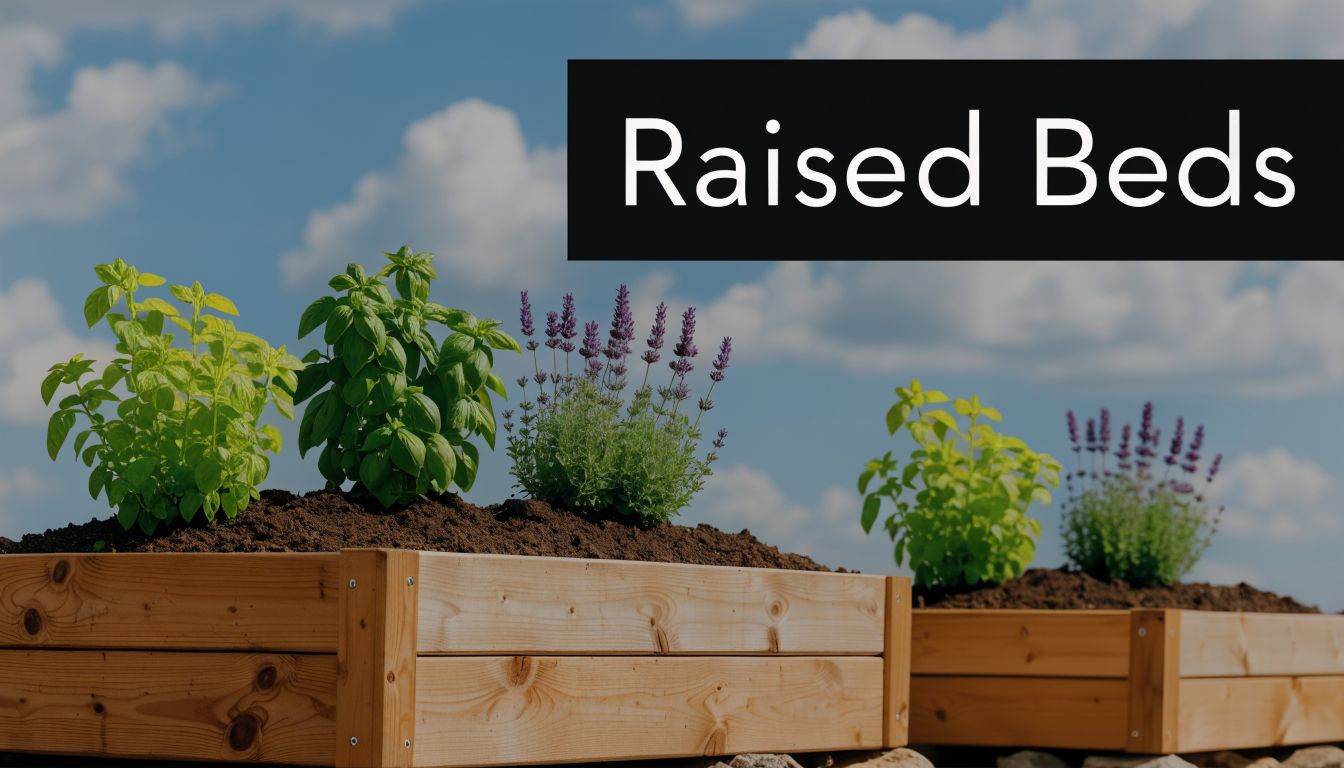
Raised beds solve one of the biggest local problems fast. They get your roots up and out of dense clay, which means better drainage, cleaner edges, and much more control over what goes into the soil.
The commercial momentum behind them is real too. The raised garden beds market is projected to reach USD 3.4 billion by 2030, growing from USD 2.1 billion in 2024 at an 8.2% CAGR. That growth makes sense because raised beds work for suburban backyards, smaller lots, schools, and aging-in-place homeowners who want easier access.
What works best in North Georgia
Use untreated cedar, quality metal, or composite boards. Cedar looks natural and holds up well. Composite lasts, but it can look more modern than some homeowners want. Cheap treated lumber is where many beds go wrong if you care about edible herbs, pet safety, or keeping unnecessary chemicals out of the root zone.
For a simple North Georgia raised bed, I’d fill it with a loose organic planting mix, not bagged topsoil alone. Topsoil often settles too hard. A better blend supports roots, drains after hard rain, and still holds enough moisture through hot afternoons.
A practical layout for a sunny backyard bed
- Back row: Lavender, salvia, upright rosemary
- Middle layer: Basil, echinacea, gaura
- Edge: Creeping thyme or alyssum
That combination gives you fragrance, pollinator activity, and a softer look than a bed that’s just boxed vegetables.
Practical rule: Build the bed first, then worry about plants. Most flower bed failures here start below ground.
If your yard has a history of poor drainage or compacted soil around the bed area, start with a better soil foundation. Barefoot Organics has a useful guide on how to create healthy soil that lines up well with this kind of install.
2. Native Plant Wildflower Beds
By late July in North Georgia, this is the bed that still earns compliments. Native wildflowers handle our heat, humidity, and uneven rain better than fussier ornamentals, and they support the bees, butterflies, and birds people want to see in the yard.
The challenge is making them look intentional. In red clay, a native bed can thrive with less pampering, but it still needs a clear layout and decent soil prep at planting time. I like to give these beds a loose, natural shape, then keep the planting pattern disciplined so they read as a designed part of the yard instead of an abandoned corner.
A native bed plan that holds its shape
Build the bed in layers, with repeated groupings instead of a long mix of one plant each:
- Tall anchors: Joe Pye weed, ironweed, little bluestem
- Mid-height bloomers: Purple coneflower, black-eyed Susan, bee balm
- Front edge: Coreopsis, low sedges, compact salvia
Plant in drifts of three, five, or seven. Repeat those same drifts across the bed. That repetition gives you a calmer look and keeps the bed attractive even when one plant finishes blooming before the others.
There are trade-offs. Native wildflower beds usually look better in year two than year one, and some gardeners do not love the leggier, late-summer look of taller species. The fix is simple. Put the biggest plants toward the back, keep a defined edge, and mix in grasses or sedges that hold the composition together.
If your soil is hard enough to stop a shovel, address that before planting. A soil-first approach matters in native beds too, especially if you want roots to get established before summer stress hits. Barefoot Organics has a useful page on yard design ideas for tying flower beds into the rest of the property, and that kind of planning helps these beds feel connected to the whole yard.
If you prefer to start some of the mix from seed, this guide to heirloom seeds for your garden is a practical place to begin.
Leave seed heads standing into fall when you can. Birds use them, pollinators benefit, and the bed keeps its structure after peak bloom passes.
3. Mediterranean-Style Herb Garden Beds
This style is one of the easiest ways to combine looks and usefulness. It works especially well near patios, walkways, grilling areas, or kitchen doors where you’ll brush past the plants and harvest from them.
The key is drainage. Mediterranean herbs hate wet feet more than they hate heat. In Georgia clay, that means you either raise the bed slightly or amend it aggressively enough that water can move through.
Best plant mix for a hot, sunny spot
Build this bed around woody herbs and silver foliage. That palette naturally looks cohesive.
A reliable North Georgia mix includes:
- Rosemary
- Lavender
- Thyme
- Oregano
- Sage
- Santolina
- Salvia
The trade-off is simple. These beds look great and smell even better, but they don’t tolerate overwatering or rich, soggy soil. Gardeners often kill lavender here by loving it too much. Too much water, too much fertilizer, too much mulch piled at the crown.
How to keep it from turning leggy
Harvest often. Light pruning keeps rosemary and thyme dense. If you let everything get woody and sprawling, the bed loses its shape fast.
A gravel mulch or thin stone top layer can work better here than heavy shredded bark because it keeps the crowns drier. If you prefer a softer look, keep mulch back from the stems.
This is also a smart place to use topdressing and careful organic feeding instead of heavy synthetic fertilizer. Herb beds usually perform better with moderation than force.
4. Shade Garden Flower Beds
Some of the best flower beds in North Georgia are built where grass never looked good in the first place. Under mature hardwoods, along the north side of the house, or beside a fence line with filtered light, shade beds can do more with less maintenance than a struggling patch of turf.
The mistake is treating shade as one condition. Dry shade under tree roots is very different from damp morning shade beside a downspout. Plant choices need to match that.
Planting under trees without fighting the tree
Don’t dig giant holes through major roots. Tuck smaller plants into pockets between them, then improve the top layer with compost and mulch. That approach helps your flowers without stressing the tree.
A good local shade mix includes:
- Hostas
- Coral bells
- Autumn fern
- Japanese forest grass
- Carex
- Oakleaf hydrangea
- Hellebores
Variegated foliage helps a lot in dim corners. It reflects light and keeps the bed from looking flat. I also like mixing broad leaves with finer textures so the planting still has movement even when bloom time is brief.
If shade is a broader issue across the yard, Barefoot Organics has practical guidance on how to grow grass in shade, which can help you decide where lawn should stay and where a flower bed makes more sense.
In heavy shade, foliage does more work than flowers. Build the bed around leaves first, bloom second.
5. Pollinator-Focused Butterfly and Bee Gardens
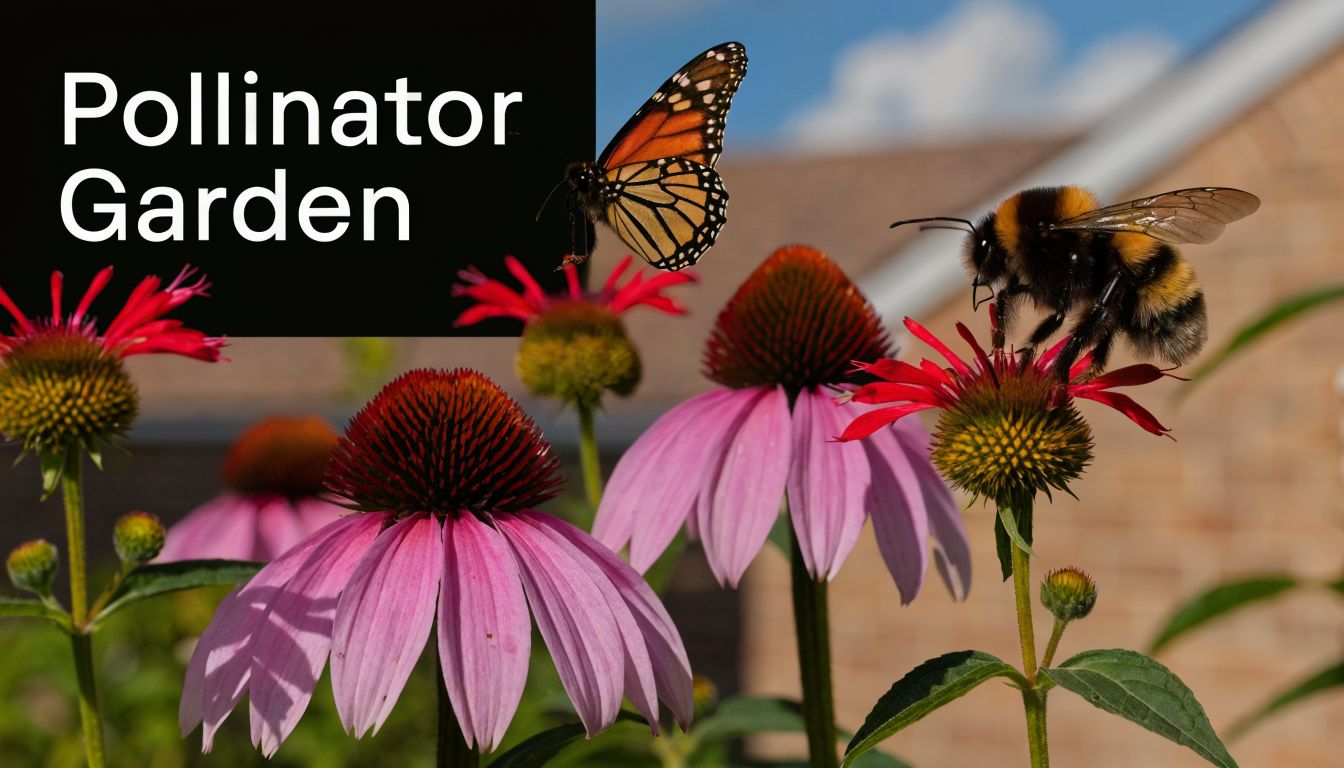
By late July in North Georgia, a flower bed can look fine to people and still be nearly useless to pollinators. The blooms fade fast, the heat hits hard, and shallow, dry soil turns nectar plants into short-lived color. A good pollinator bed is built to keep working through heat, humidity, and clay, not just to put on a spring show.
That starts with plant choice and soil prep. In red clay, I want roots going down before summer stress arrives. Work in compost, keep mulch a few inches away from stems, and skip heavy doses of quick synthetic fertilizer that push soft growth. Strong flowers with decent airflow hold up better and attract more insect activity over a longer season.
Build a bloom calendar that survives a Georgia summer
A pollinator garden should feed insects from spring into fall, with host plants mixed in so the bed functions as habitat too.
A dependable North Georgia planting sequence looks like this:
- Spring: Penstemon, coreopsis, salvia
- Summer: Coneflower, bee balm, milkweed, lantana
- Fall: Asters, goldenrod, sedum
Milkweed matters for monarchs, but it should not be the whole plan. Native bees, skippers, swallowtails, and beneficial insects all use different plants at different times. Beds with staggered bloom feel more alive, and they avoid the common problem of one big flush followed by two quiet months.
Plant in groups, not singles scattered across the bed. Clumps are easier for pollinators to find, and the design reads better from the patio or street.
There is a trade-off here. Some of the longest-blooming annuals and flashy double flowers please people more than insects. If the goal is a bed that supports bees and butterflies, choose simpler flower forms with accessible nectar and pollen, then add a few ornamental extras around the edges if you want more color.
A shallow water dish with stones helps too. Bees and butterflies need a place to land safely, especially during hot dry stretches. If your soil is poor or compacted, start with a soil blend that drains well but still holds moisture, because stressed plants stop performing fast in summer. This is one of those beds where the foundation matters as much as the flower list.
6. Cottage Garden Flower Beds
Cottage beds are for people who like abundance more than control. They soften fences, make new homes feel established faster, and give a yard that generous, layered look that formal beds often lack.
They also take more editing than people expect. A true cottage garden shouldn’t be rigid, but it can’t be lazy either. Without thinning and occasional restraint, it becomes a tangle.
How to make the “loose” look intentional
Start with a framework of dependable plants, then layer in the roamers. That keeps the bed from collapsing visually when one plant finishes or flops.
A North Georgia-friendly cottage mix might include:
- Roses
- Shasta daisies
- Salvia
- Yarrow
- Catmint
- Cosmos
- Zinnias
- Parsley or dill tucked between flowers
This kind of layering also echoes current design tastes. Traditional perennials like roses and hollyhocks are back in broader flower bed conversations, especially in fuller, more immersive planting styles. The appeal is easy to understand. These beds feel alive, not staged.
The real trade-off
Cottage beds need air movement. In humid Georgia summers, tightly packed foliage can turn into powdery mildew and leaf spot if you crowd everything too much. Dense is good. Airless is not.
Deadheading helps extend bloom, but don’t obsess over removing every spent flower. A little looseness is part of the charm.
7. Succulent and Drought-Tolerant Beds
By late July, the strip beside the driveway is usually the first place to show stress. The heat reflects off concrete, the soil bakes hard, and anything that likes steady moisture starts to struggle. That is exactly where a drought-tolerant bed can earn its keep in a North Georgia yard.
This style works here, but only in the right setup. Georgia is not Arizona. We get humidity, heavy summer rain, and red clay that holds water longer than succulent roots can tolerate. If you want this look, build the bed for drainage first and treat the plant list as second.
A good site is hot, sunny, and quick to dry after storms. Slopes, mailbox beds, strips along driveways, and areas near stone hardscaping are usually better candidates than low spots near downspouts.
Build the bed like a dry garden, not a standard flower border
The biggest mistake I see is planting succulents straight into native clay and hoping sun will fix it. It will not. Roots rot from below even while the top looks dry.
Raise the bed slightly and use a lean, fast-draining mix. Crushed granite, expanded shale, pine fines, and coarse sand can all help, depending on what you can get locally. If the area stays soggy, bring in a soil service to rebuild it properly before planting. In North Georgia, that kind of prep matters more than any single plant choice.
Plants that actually hold up here
Skip tender desert succulents unless you are prepared to protect or replace them. Better choices for North Georgia include:
- Sedum
- Sempervivum
- Yucca
- Agave in protected sites
- Rosemary
- Russian sage
- Gaura
That mix gives you a bed with different shapes instead of one flat layer. Sedum and hens-and-chicks stay tight to the ground. Yucca and agave provide structure. Rosemary, gaura, and Russian sage soften the hard edges and keep the planting from looking too spare.
For ideas on form and contrast, this roundup of top drought resistant plants is useful. Just filter everything through Georgia hardiness, humidity, and drainage realities before you plant.
Don’t baby drought-tolerant beds with constant feeding. Rich soil often makes these plantings weaker and floppier.
One final trade-off. These beds are low water once established, but they are not low judgment. Put them in the wrong place, mulch them too heavily, or let wet leaves mat around the crowns, and they decline fast. Put them in sharp sun with fast drainage, and they become one of the most reliable problem-solvers in the yard.
8. Seasonal Container and Flower Bed Combinations
Some yards need flexibility more than permanence. That’s where combining in-ground beds with containers makes sense. You keep a stable base planting in the ground, then change the look around the edges through the year with pots.
This approach also fits how people garden now. The U.S. garden planters market reached USD 4.91 billion in 2025 and is projected to grow to USD 8.90 billion by 2033 at an 8.0% CAGR. Homeowners clearly want modular, attractive planting options that can shift with seasons and space.
A simple formula that always reads well
Use flower beds for structure and containers for the seasonal punch. That keeps your maintenance focused where it counts.
For example:
- In-ground bed: Dwarf shrubs, salvia, ornamental grasses, evergreen edging
- Spring containers: Pansies, parsley, violas
- Summer containers: Angelonia, sweet potato vine, lantana
- Fall containers: Mums, ornamental peppers, kale
- Winter containers: Evergreens, branches, hardy accents
Large containers perform better than tiny pots in Georgia heat because they dry out more slowly. They also look more proportional next to established beds.
Where this shines
This setup is especially good near front entries, patios, pools, and outdoor dining spaces. If a section of the yard needs regular visual refresh without digging up the whole bed every season, containers do that job well.
The downside is watering. Containers dry much faster than in-ground beds. If you travel often or don’t want daily summer checks, use fewer pots and make them larger.
9. Rain Garden and Water-Wise Flower Beds
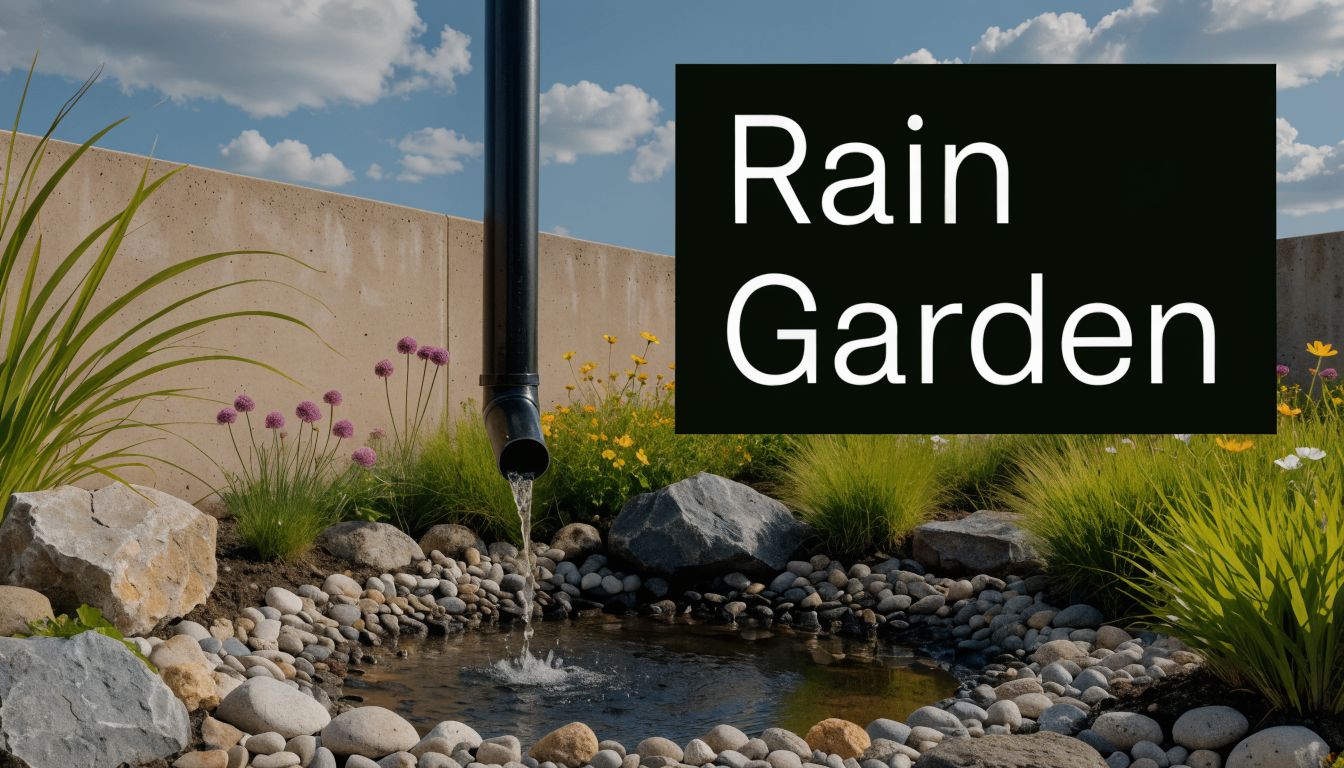
A North Georgia yard usually tells you where a rain garden belongs. It is the spot under the downspout that stays soft for days, the low corner where water settles after a summer storm, or the slope where mulch keeps sliding into the grass. Instead of fighting that pattern every season, turn it into a flower bed built to catch, slow, and soak in runoff.
Rain gardens also suit how many local homeowners want to garden now. They look full and layered, support pollinators, and solve a drainage problem without relying on thirsty plants or constant cleanup.
Plants that can handle changing moisture
The right plant mix for a rain garden in Georgia has to handle two conditions. Heavy rain comes first. Then heat and humidity return, and the soil can dry surprisingly fast.
Good performers include:
- Swamp milkweed
- Joe Pye weed
- Blue flag iris
- Ironweed
- Soft rush
- Carex
- Buttonbush for larger spaces
A simple planting blueprint works well here. Put soft rush, carex, and blue flag iris in the lowest part of the basin. Set swamp milkweed, ironweed, and Joe Pye weed on the middle ring. Use buttonbush toward the back or outer edge where you have room for height and spread.
In red clay, soil prep matters as much as plant choice. Clay holds water, but it can also seal up and drain too slowly. I like a broad, shallow basin with amended soil that lets water sink in within a day or two instead of sitting there. If your yard has hard-packed clay, this is one place where professional soil blending or compost delivery from a local supplier such as Barefoot Organics can save a lot of trial and error.
One caution that matters
Keep the bed away from foundations, septic areas, and places where water could pool against hard surfaces. Set it where runoff already wants to go, and shape it with gentle sides so water spreads out instead of cutting a channel.
Use shredded hardwood mulch or pine straw lightly, and tuck it in around stems. Thick, fluffy mulch often floats in the first hard storm.
A good rain garden does two jobs at once. It drains better, and it looks like it belongs there.
10. Edible Ornamental Flower Beds
This is one of my favorite backyard flower bed ideas because it solves two problems at once. You get a bed that looks intentional from the patio or street, and you get food, herbs, or edible flowers without dedicating part of the yard to a separate vegetable patch.
It also meets a real shift in how homeowners use outdoor space. The same 2025 flower bed trend coverage points to sensory beds and edible “edimentals” as part of the current move toward immersive gardens. In practical terms, people want beds that smell good, look good, and produce something useful.
A productive flower bed that still looks finished
The trick is to design with ornament first and edibles second. That doesn’t mean hiding the food. It means using edible plants for color, shape, and rhythm.
A strong combination looks like this:
- Tall accents: Trellised tomatoes or pole beans
- Mid layer: Rainbow chard, kale, basil, peppers
- Flowering fillers: Nasturtium, calendula, borage, violas
- Edge plants: Thyme, alyssum, strawberries
There’s also a local opportunity here for tricky spaces. Narrow side yards and sloped corners often get ignored, but flower-edible combinations can work well there with compact plants and zigzag layouts. One verified trend summary notes a rise in home food gardening and highlights plants like nasturtium, borage, and violas as useful companions in Georgia-friendly edible beds.
Keep the palette tight. Too many vegetables, too many flower colors, and the bed starts looking like a leftover produce display.
Safety and soil come first
For family yards, use non-toxic edible flowers and avoid risky ornamentals near play areas or pet paths. Edible beds also need clean inputs. Compost, mulch, and gentle organic fertility make more sense here than harsh treatment programs.
Backyard Flower Bed Ideas: 10-Item Comparison
| Garden Type | Implementation Complexity 🔄 | Resource Requirements ⚡ | Expected Outcomes 📊⭐ | Ideal Use Cases 💡 | Key Advantages ⭐ |
|---|---|---|---|---|---|
| Raised Garden Beds with Organic Soil | Moderate, build frames & source soil | Lumber/metal/composite, premium organic soil, irrigation | Improved drainage, warmer soil, higher yields | Clay-heavy suburban yards; controlled-soil needs | Better drainage, accessibility, customizable |
| Native Plant Wildflower Beds | Low–Moderate, selection & layout work | Native seeds/plants, minimal irrigation after establishment | High biodiversity, low maintenance, drought tolerance | Pollinator corridors, low-input landscapes | Low long‑term cost; supports native fauna |
| Mediterranean-Style Herb Garden Beds | Moderate, soil amending & plant selection | Well-draining mix (sand/gravel), drought-tolerant herbs | Culinary harvests, aromatic blooms, drought performance | Sunny sites; culinary gardeners | Dual-purpose (ornamental + edible); low fertilizer |
| Shade Garden Flower Beds | Moderate, site-specific plant choices | Compost-amended soil, shade-tolerant species, less water | Cool microclimate, rich foliage interest, reduced sun stress | Under trees, northern exposures, canopy-covered yards | Attractive foliage, lower heat stress, moist soils |
| Pollinator-Focused Butterfly and Bee Gardens | Moderate, sequencing & chemical-free management | Native/nectar plants, host species, water features, no pesticides | Increased pollinator activity; enhanced ecosystem services | Environmental stewardship, educational gardens | Boosts pollination and native insect populations |
| Cottage Garden Flower Beds | High, dense mixed planting & design upkeep | Wide plant palette, regular maintenance (deadheading) | Abundant, romantic aesthetic; high wildlife value | Historic properties, homeowners seeking informal charm | Strong visual impact; biodiversity; edible options |
| Succulent and Drought-Tolerant Beds | Low, soil prep and species choice | Coarse sand/gravels, drought-hardy succulents, minimal water | Major water savings; year-round architectural interest | Hot, sunny sites; water-restricted landscapes | Very water-efficient; low maintenance; pest resistant |
| Seasonal Container & Flower Bed Combinations | Moderate, coordination & seasonal swaps | Quality containers, premium potting mix, seasonal plants | Dynamic seasonal color; flexible design updates | Entryways, homes wanting quarterly refreshes | High visual variety; easy trial of plants; portable |
| Rain Garden & Water‑Wise Flower Beds | High, engineered design & site analysis | Engineered infiltration soil, native wet-tolerant plants, possible permits | Manages runoff, reduces erosion, improves water quality | Sloped properties, drainage problem sites, eco-conscious owners | Functional stormwater management; environmental benefit |
| Edible Ornamental Flower Beds | Moderate–High, integrate aesthetics with production | Diverse edibles & ornamentals, organic soil, active maintenance | Fresh produce plus attractive landscape; educational value | Kitchen gardeners who value curb appeal | Combines beauty and food production; pesticide-free harvests |
Your Beautiful, Barefoot-Friendly Backyard Awaits
A flower bed does a lot more than fill empty ground. In a North Georgia yard, it can solve drainage headaches, soften a patio, support pollinators, give kids a place to notice butterflies, or turn a difficult strip of clay into something useful and beautiful. The best results come from matching the bed to the site instead of forcing one style everywhere.
If the yard gets full sun and bakes in July, raised beds, herb gardens, drought-tolerant plantings, and edible ornamentals usually make sense. If the property has mature trees, a shade bed often performs better than another attempt at turf. If water keeps cutting through one corner of the yard, a rain garden can do more than fresh mulch ever will. Good design starts with that kind of honesty.
The broader gardening momentum supports this approach. Earlier, I noted that 2025 gardening participation remains high across U.S. households, and that fits what many homeowners already feel locally. People want outdoor areas that are easier to live with, safer for families, and more connected to how they use the yard.
For local families, safety is often part of the design brief whether they say it out loud or not. Beds near patios, play spaces, dog runs, and side gates need practical plant choices and practical maintenance. That usually means skipping harsh inputs when possible, improving soil health so plants are less stressed, and choosing species that fit the light and moisture you really have.
That soil piece is where many projects are won or lost. In Georgia, red clay can be helpful once it’s opened up and improved, but straight compacted clay makes planting harder than it needs to be. Roots stall, water sits, and people blame the plants when the bed never had a fair start. Healthy flower beds usually begin with better structure underfoot, not a bigger shopping trip at the garden center.
That’s also why organic methods tend to make sense in home gardens. A living soil approach supports stronger root growth, steadier moisture, and a garden that doesn’t need constant correction. It’s especially valuable if your priorities overlap with clean living, local food, and more natural choices around the home. The same mindset that sends people looking for organic produce, non-GMO foods, pasture-raised eggs, or local farm products often shows up in the yard too. They want transparency. They want inputs they feel better about. They want a space children and pets can use comfortably.
Among all the flower bed ideas in this guide, the common thread is simple. Start with the site. Improve the soil. Pick plants that suit North Georgia instead of fighting it. Then keep the design maintainable enough that it still looks good in August, not just in April.
If you want help getting that foundation right, Barefoot Organics is one relevant local option for soil improvement, aeration, topdressing, and flower bed care built around a natural approach. Before you plant, it’s worth getting the ground in shape so your flowers, herbs, and shrubs have a real chance to thrive.
If you're ready to turn these backyard flower bed ideas into a healthier, better-looking yard, Barefoot Organics offers free quotes for soil improvement, aeration, topdressing, and care for trees, shrubs, and flowers across North Georgia.